IBS Bloating Relief: Gentle Steps That May Help
Understand common causes of IBS bloating and try practical steps for meals, movement, constipation, stress, and medical red flags.
Written by Digestimove Team3 min read
Why IBS can cause so much bloating
Bloating is the feeling of abdominal pressure or fullness. Distension is a visible increase in abdominal size. They can happen together, but not always.
In IBS, bloating may involve fermentable carbohydrates, altered bowel movement, constipation, swallowed air, and visceral hypersensitivity. Visceral hypersensitivity means the gut can feel normal stretching more intensely.
Start with the pattern, not a long avoid list
Track a few details for one or two weeks:
- Meal size and timing
- Repeated food or drink triggers
- Stool frequency and form
- Stress and sleep
- Menstrual-cycle timing if relevant
- Whether symptoms improve after passing stool or gas
Change one variable at a time. Removing many foods at once can make it difficult to identify the true pattern.
Adjust meal size and pace
Large meals can increase stretching and deliver more fermentable carbohydrate at once. Try slightly smaller meals, chew at a comfortable pace, and limit habits that increase swallowed air, such as drinking through straws or chewing gum, if you notice a connection.
Carbonated drinks can add gas. High-fat meals may also worsen fullness or alter motility for some people.
Consider FODMAP portions
FODMAPs are fermentable carbohydrates that can contribute to gas and water in the bowel. A short, structured low FODMAP trial helps some people, but the elimination phase should be followed by reintroduction.
Use our practical low FODMAP food guide for examples and portion context. Avoid labeling every high FODMAP food as permanently "bad."
Check constipation and fiber
Stool retention can contribute to bloating even when bowel movements still occur. Soluble fiber may support regularity, but increasing fiber quickly can initially produce more gas.
Read soluble vs insoluble fiber for IBS before making a large fiber change.
Use gentle movement and nervous-system support
A short walk after a meal may help gas move through and can support routine. Slow breathing or relaxation does not remove gas directly, but it may reduce tension and the intensity of gut sensations.
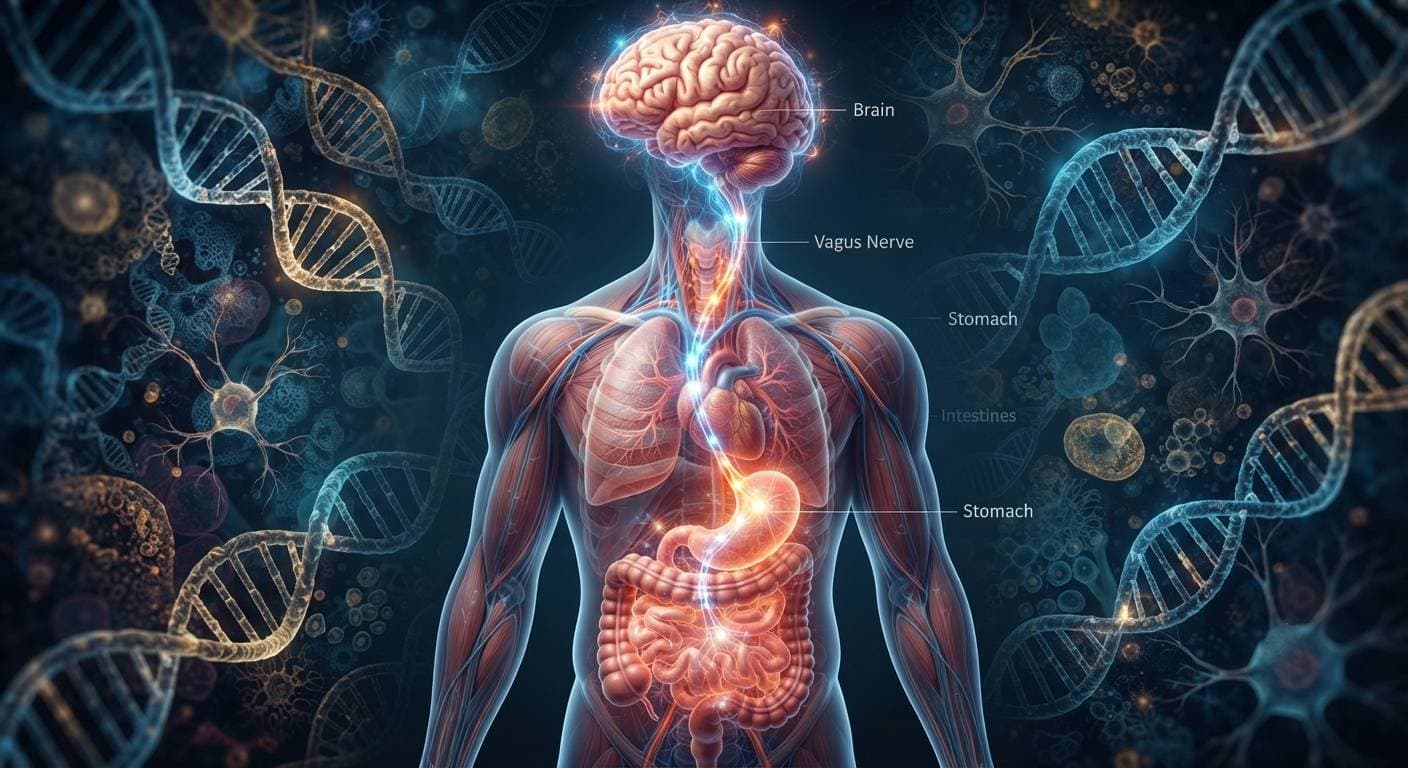
Stress can amplify symptoms through the gut-brain connection without being the only cause. A personal perspective is available in how managing anxiety helped my IBS.
Be cautious with quick fixes
Peppermint oil can help some people with IBS pain or bloating, but it may worsen reflux and can interact with individual health needs. Probiotics are strain-specific; "more bacteria" is not automatically better. Discuss supplements with a clinician or pharmacist, especially during pregnancy or when taking medication.
When to seek medical advice
Contact a clinician for persistent or changing bloating. Seek prompt care for severe pain, repeated vomiting, fever, blood or black stool, unexplained weight loss, anemia, a new mass, or inability to pass stool or gas.
Frequently asked questions
Can IBS bloating happen after every meal?
It can, but repeated post-meal symptoms may have more than one contributor. A clinician can help assess constipation, food intolerance, celiac disease, and other possible causes.
Can walking help trapped gas?
Gentle movement may help some people feel more comfortable and support motility. Stop if movement increases pain.
Should I cut out all high FODMAP foods?
No. A structured low FODMAP approach uses temporary restriction, reintroduction, and personalization rather than permanent blanket avoidance.
For especially difficult symptom days, use the IBS flare-up guide.
About this article
Written by Digestimove Team. We combine lived experience with recognized digestive-health guidance and avoid presenting education as personalized treatment.
General references: NIDDK overview of IBS and the American College of Gastroenterology guideline.
Free IBS food list
Make your next meal easier to plan
Get the printable 50 low FODMAP foods list, or explore the full The Practical IBS and Low FODMAP Workbook when you want more detail.
Explore the complete The Practical IBS and Low FODMAP Workbook