How Managing Anxiety Helped My IBS: A Personal Story
A personal account of the IBS and anxiety connection, what stress-management changes helped, and why one experience is not a universal treatment plan.
Written by Digestimove Team3 min read

This is one person's IBS experience
For years, I treated digestive symptoms and anxiety as two unrelated problems. I had bloating, cramps, diarrhea, constipation, urgency, panic attacks, and a constant fear that symptoms would appear at the worst possible time.
Over time, I noticed a pattern: when anxiety was high, my gut symptoms were usually worse. That observation changed how I approached IBS, but it does not mean anxiety is the cause of every person's symptoms or that IBS is "all in your head."
The pattern I started noticing
Stressful weeks often came with faster eating, worse sleep, less movement, more caffeine, and more attention to every sensation in my abdomen. All of those factors could reinforce one another.
When I focused only on food, I kept making my diet smaller without feeling consistently better. When I also worked on stress and daily rhythm, my symptoms became less frequent and less frightening.
What helped me
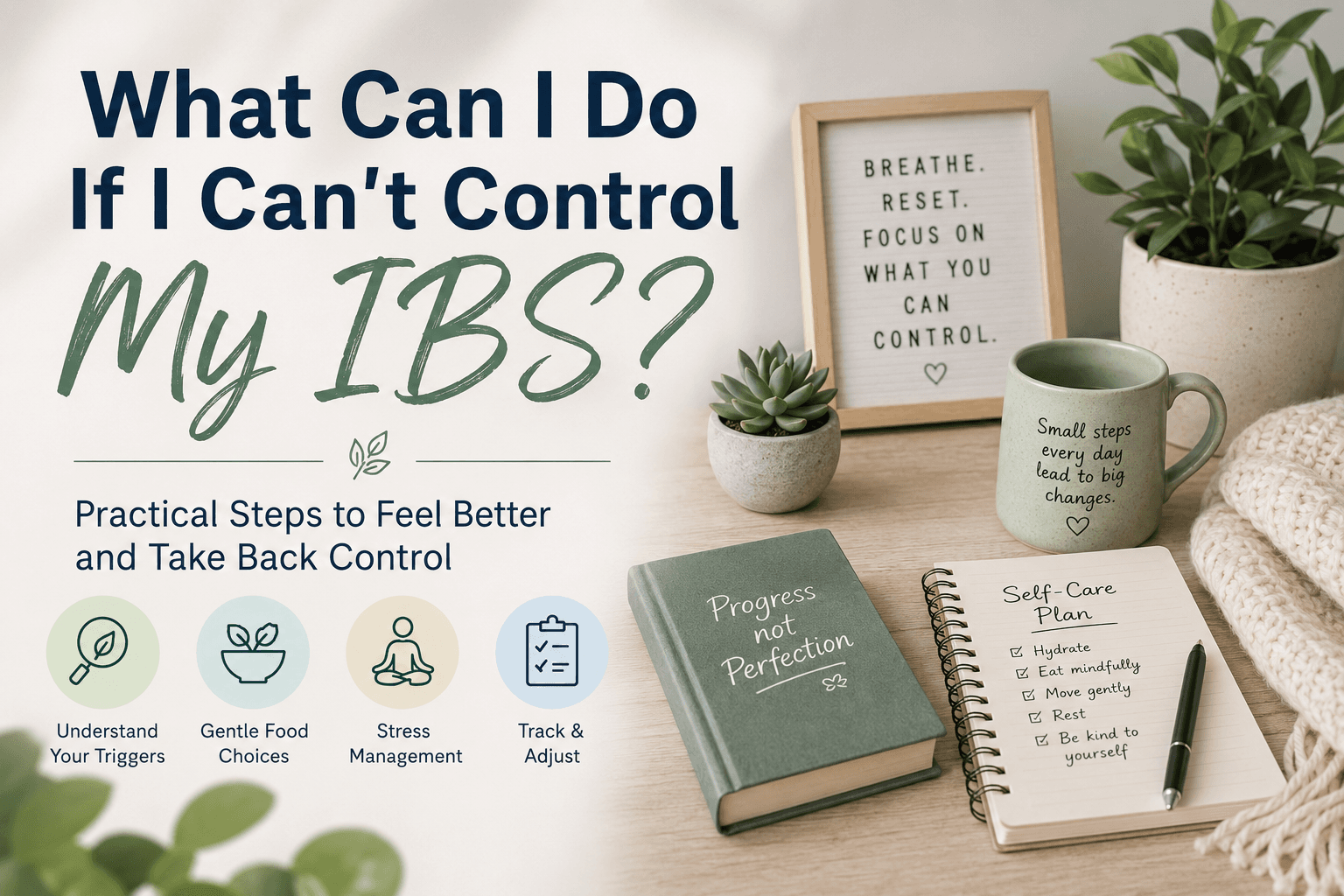
The useful changes were simple and gradual:
- Pausing before meals instead of eating while panicked
- Keeping a more regular sleep and meal schedule
- Walking when I felt able
- Using slow breathing to interrupt a stress spiral
- Tracking patterns without checking my body every few minutes
- Talking more openly about anxiety instead of treating it as a failure
I did not find a single switch that "cured" IBS. My symptoms improved over time, and stressful periods can still affect my digestion.
Why stress can affect IBS
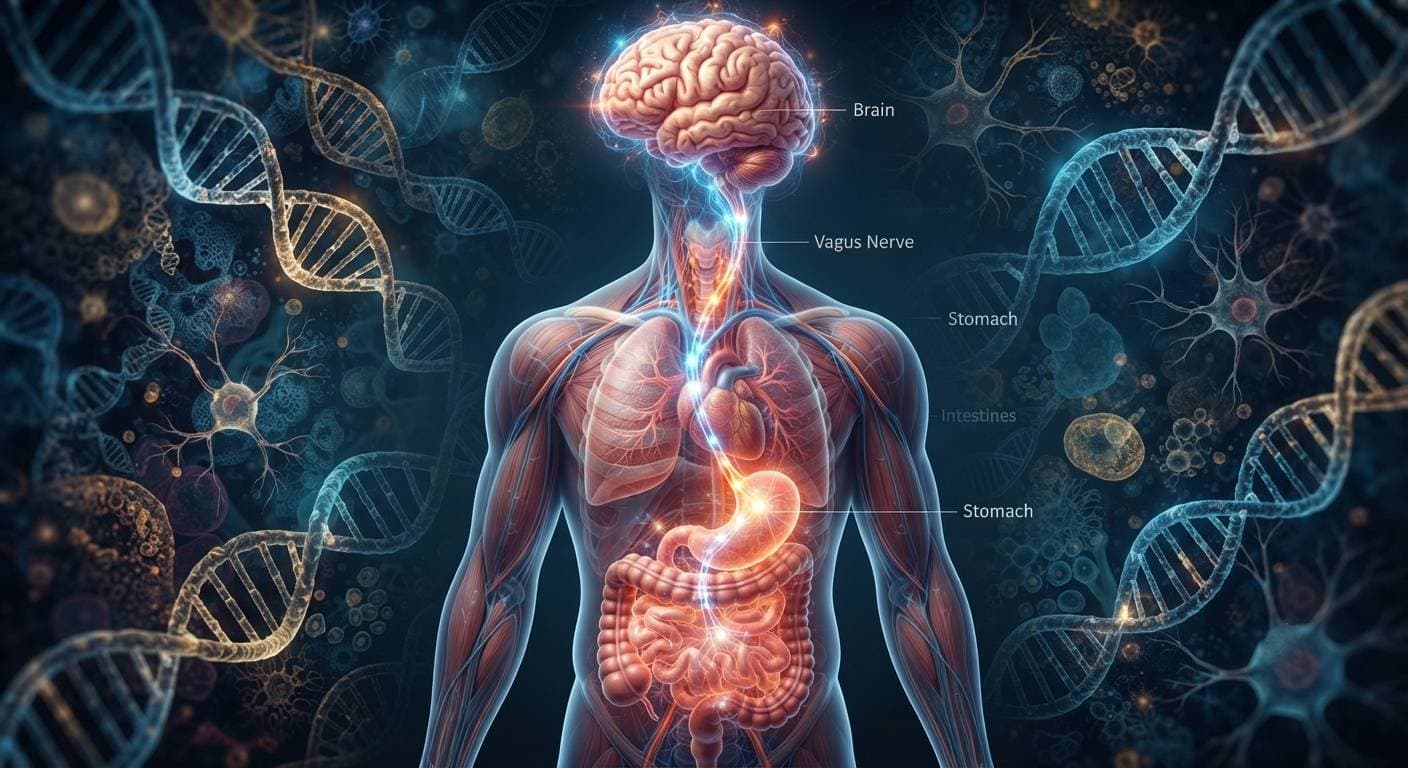
The brain and digestive tract communicate through the gut-brain axis. Stress can influence gut motility, pain sensitivity, sleep, and eating behavior. IBS is now commonly described as a disorder of gut-brain interaction, which recognizes that symptoms are real and can involve both digestive and nervous-system processes.
Psychological therapies such as cognitive behavioral therapy and gut-directed hypnotherapy may help some people with IBS. That does not make symptoms imaginary; it gives clinicians another evidence-based tool to consider.
What this story does not mean
- Anxiety is not the only possible driver of IBS symptoms.
- Stress management is not a replacement for medical assessment.
- A person should not be blamed when symptoms continue.
- Food, bowel pattern, hormones, infection history, medications, and other conditions may also matter.
If your main difficulty is a bad symptom day, start with the IBS flare-up guide. For a gentle routine, see the morning gut routine.
When to get support
A primary care clinician or gastroenterologist can assess digestive symptoms. A licensed mental health professional can help with anxiety, panic, avoidance, or fear around eating and leaving home.
Seek prompt medical care for blood or black stool, unexplained weight loss, fever, persistent vomiting, anemia, severe or new pain, or symptoms that repeatedly wake you from sleep.
Frequently asked questions
Can anxiety cause IBS symptoms?
Stress and anxiety can worsen symptoms through the gut-brain connection, but they are not the only factors involved and do not explain every case.
Does improving anxiety cure IBS?
It may reduce symptoms for some people, but no personal story can promise a cure. IBS management is individualized.
Is IBS all in your head?
No. IBS symptoms are real. The phrase "gut-brain interaction" describes two-way communication between the nervous system and digestive tract, not an imaginary illness.
My takeaway
Looking at stress gave me useful options after years of focusing only on food. The most important shift was treating gut symptoms and mental health as connected parts of one life, while staying open to professional care and individual differences.
About this article
Written by Digestimove Team. We combine lived experience with recognized digestive-health guidance and avoid presenting education as personalized treatment.
General references: NIDDK overview of IBS and the American College of Gastroenterology guideline.
Free IBS food list
Make your next meal easier to plan
Get the printable 50 low FODMAP foods list, or explore the full The Practical IBS and Low FODMAP Workbook when you want more detail.
Explore the complete The Practical IBS and Low FODMAP Workbook