What I Wish I Knew When I Was First Diagnosed With IBS
Learn the biggest lessons I wish I knew after my IBS diagnosis, including common food mistakes, the gut-brain connection, and how to identify triggers.
Written by Digestimove Team4 min read
Getting diagnosed with Irritable Bowel Syndrome (IBS) often feels less like finding an answer and more like stepping into a confusing maze with no clear map.
If your experience was anything like mine, you probably left your appointment with a short explanation, maybe a handout about fiber, and advice to "reduce stress." Then you searched online, hoping for answers, only to find hundreds of conflicting opinions.
Eat more fiber. Eat less fiber. Take probiotics. Avoid dairy. Go gluten-free. Eat only whole foods.
It quickly becomes overwhelming.
Looking back, I realize I made many mistakes—not because I didn't care, but because I didn't know where to start. Here are the three things I wish someone had told me on day one.
1. "Healthy" Doesn't Always Mean "IBS-Friendly"
When I first tried to improve my digestion, I started eating what most people consider healthy.
I filled my plate with raw salads, apples, onions, garlic, beans, and plenty of vegetables.
Instead of feeling better, my symptoms became worse.
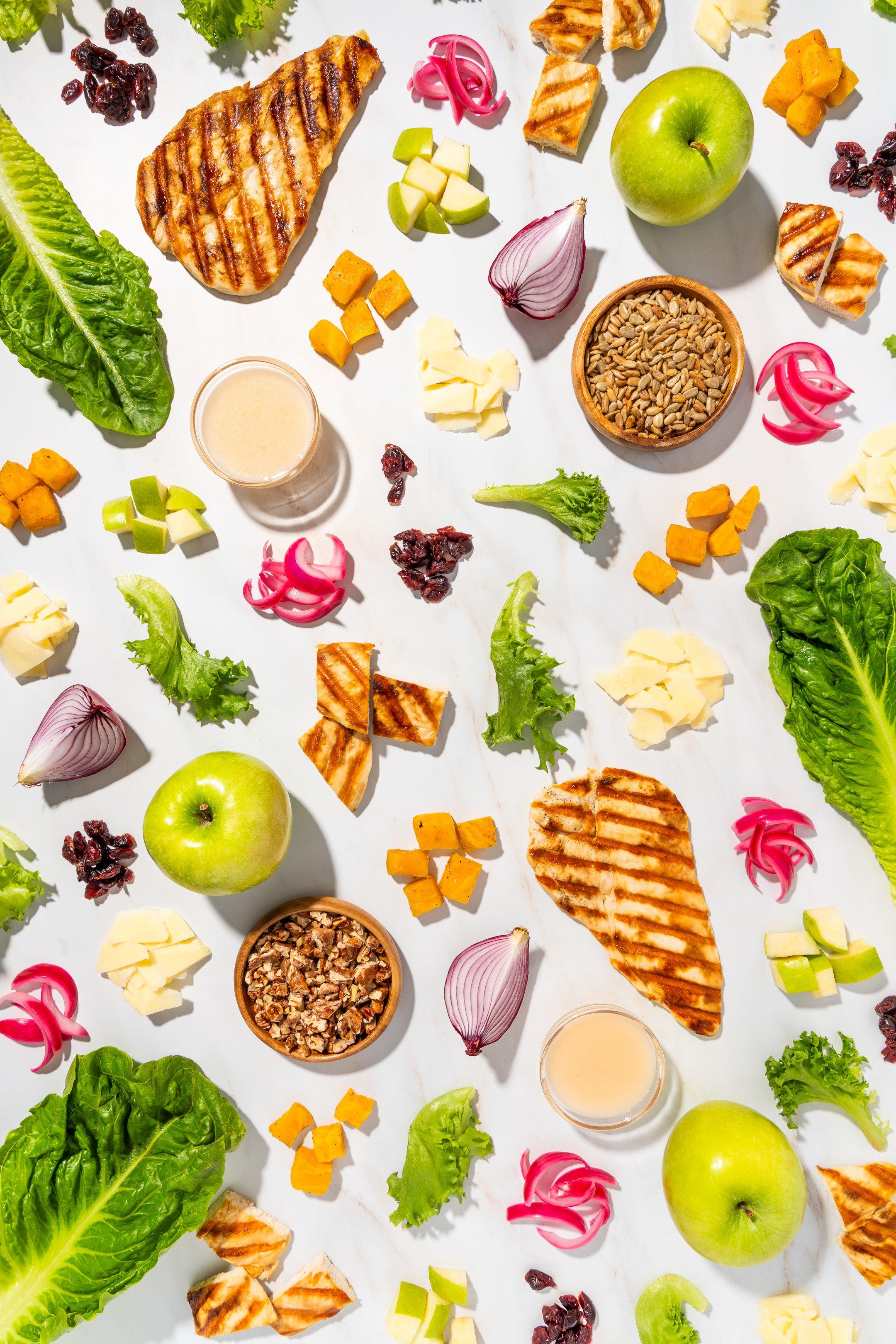
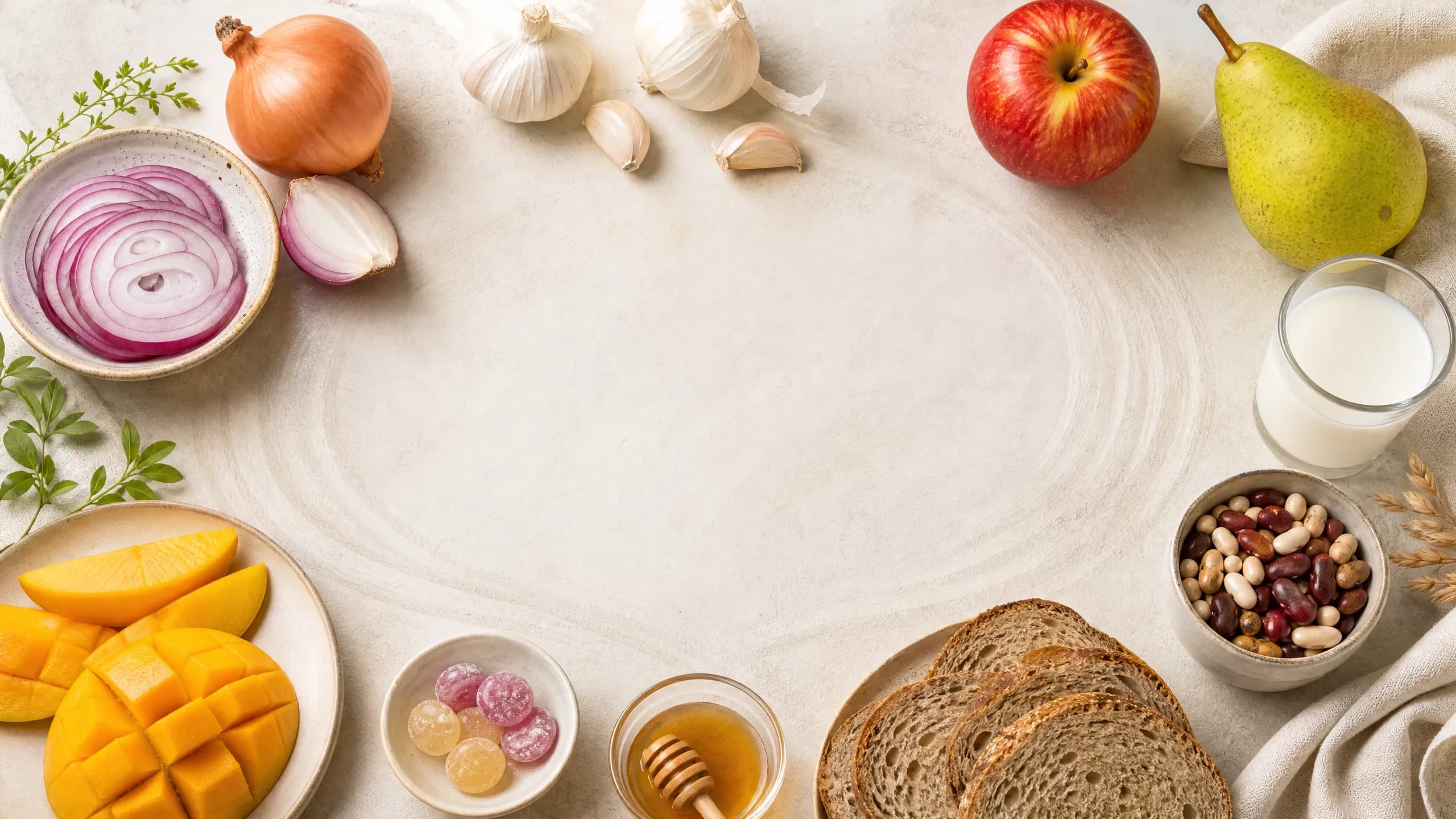
One of the biggest surprises was learning that many nutritious foods are naturally high in FODMAPs—certain carbohydrates that can trigger digestive symptoms in people with IBS.
Foods like:
Apples Garlic Onions Wheat Some beans and legumes ...may be perfectly healthy for most people but can cause bloating, gas, abdominal pain, or diarrhea in others.
Sometimes a simple meal like grilled chicken, white rice, and cooked carrots is much easier on the digestive system than a giant "superfood" salad.
The goal isn't eating the "healthiest" meal possible.
The goal is eating the healthiest meal your gut can comfortably handle.

2. Anxiety Isn't Just a Cause—It Can Also Be a Result
One of the hardest things to hear when living with IBS is:
"It's probably just anxiety."
While stress absolutely can trigger IBS symptoms, the relationship works both ways.
Your digestive system and your brain constantly communicate through what's known as the gut-brain axis. When your digestive system becomes irritated, it can affect your mood, increase stress, and even contribute to feelings of anxiety.
Many people notice that:
A flare-up increases anxiety. Anxiety worsens digestive symptoms. The cycle keeps repeating.
Understanding this changed how I viewed my symptoms.
It wasn't "all in my head."
My gut and nervous system were influencing each other.
Breaking that cycle often requires improving both digestive health and stress management, not focusing on only one.

3. Fear of Food Can Become a Bigger Problem Than Food Itself
This was probably the biggest lesson.
After enough painful flare-ups, I became afraid of eating.
I reduced my diet to just a handful of "safe" foods because I worried every meal would make me sick.
Eventually I realized something important.
The constant fear, stress, and overthinking around food became exhausting.
Instead of enjoying meals, I analyzed every ingredient.
That anxiety alone sometimes made eating more stressful.
Over time, I learned that IBS management isn't about avoiding every possible trigger forever.
It's about learning your personal triggers, testing foods gradually, and building confidence instead of fear.
Everyone's IBS is different.
Finding your own pattern is much more valuable than following someone else's food list.
You're Not Alone
IBS often feels isolating, especially at the beginning.
It takes time to understand your body, but it does get easier when you have a structured plan instead of relying on random internet advice.
Remember:
Progress is rarely perfect. One bad day doesn't erase weeks of improvement. Learning your own triggers is more important than following every trend online.
The more you understand your digestive system, the more confident you'll become around food.
Want a Step-by-Step IBS Guide?
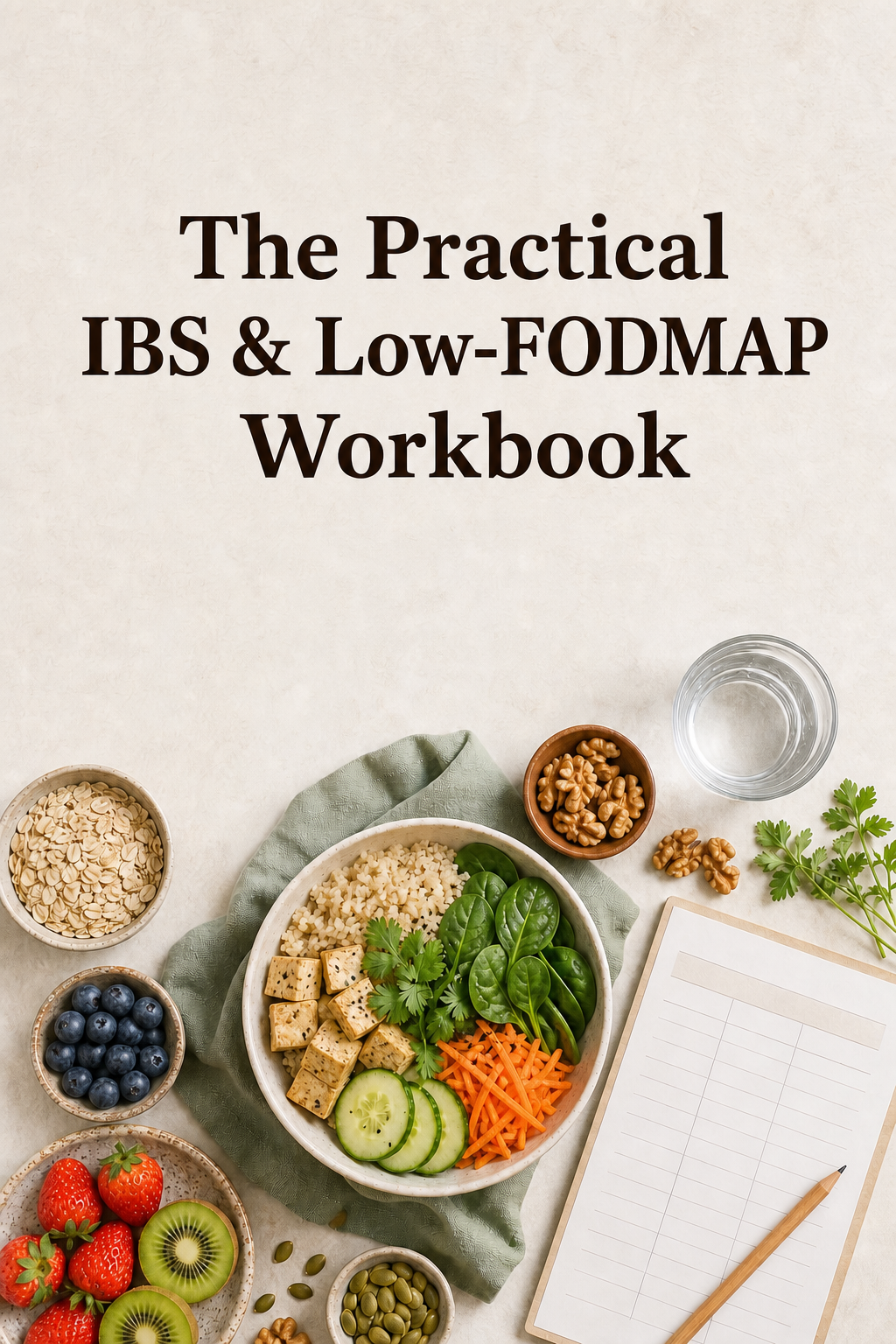
If you're tired of guessing which foods are safe and want a practical system to help you understand your symptoms, my workbook was created for exactly that.
The Practical IBS & Low FODMAP Workbook includes:
✅ More than 200 foods with easy-to-understand FODMAP guidance
✅ 30 everyday recipes designed for real life
✅ A complete 7-day meal plan
✅ Food and symptom trackers to help identify your personal triggers
✅ Reintroduction worksheets to build confidence with foods again
Instead of relying on scattered advice across dozens of websites, you'll have everything organized in one easy-to-follow guide.
👉 Get your paperback here: The Practical IBS and Low FODMAP Workbook
Your journey with IBS doesn't have to be one of constant guessing. The right information can make every meal feel a little less stressful and every day a little more manageable.
About this article
Written by Digestimove Team. We combine lived experience with recognized digestive-health guidance and avoid presenting education as personalized treatment.
General references: NIDDK overview of IBS and the American College of Gastroenterology guideline.
Free IBS food list
Make your next meal easier to plan
Get the printable 50 low FODMAP foods list, or explore the full The Practical IBS and Low FODMAP Workbook when you want more detail.
Explore the complete The Practical IBS and Low FODMAP Workbook