How to Tell If You Have IBS: Symptoms, Signs, and How IBS Is Diagnosed
Wondering if you have IBS? Learn the common IBS symptoms, signs, types, how IBS is diagnosed, and when digestive symptoms may need medical attention.
Written by Digestimove Team9 min read
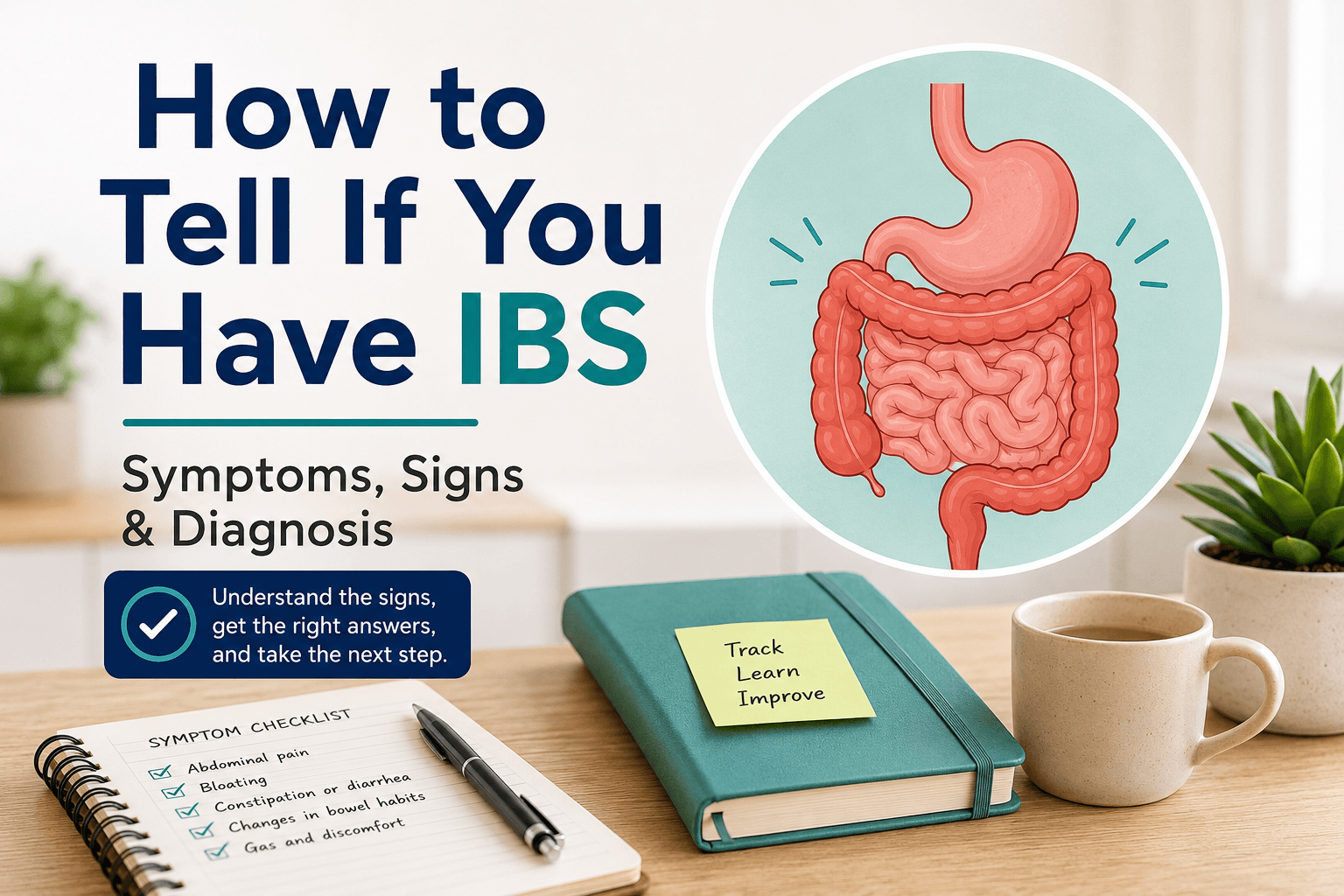
How to Tell If You Have IBS: Symptoms, Signs, and How IBS Is Diagnosed
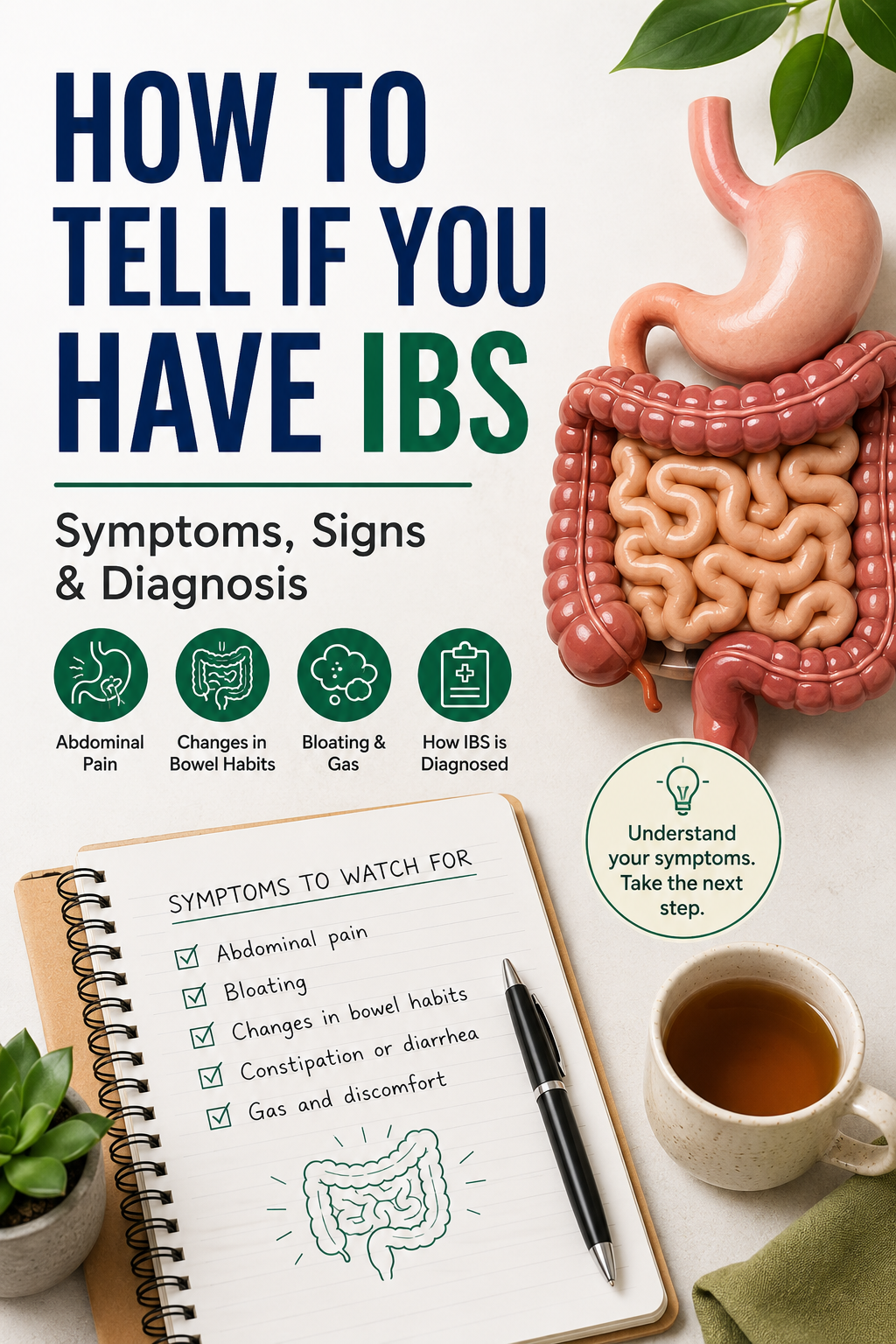
If you regularly experience stomach pain, bloating, diarrhea, constipation, or sudden changes in your bowel movements, you may wonder: Do I have IBS?
Irritable bowel syndrome (IBS) is a common digestive disorder characterized by recurring abdominal pain together with changes in bowel habits. These changes can include diarrhea, constipation, or alternating between the two.
But having bloating or an occasional episode of diarrhea does not automatically mean you have IBS.
There is no single home test that can confirm IBS. Doctors usually look at your symptoms over time, your medical history, and your physical examination. They may also order tests when necessary to rule out other conditions that can cause similar symptoms.
Here is how to recognize the typical IBS pattern and understand when it is time to speak with a healthcare professional.
What Is IBS?
IBS is a disorder involving the interaction between the brain and the digestive system. It can cause repeated abdominal pain and changes in bowel movements without visible damage to the digestive tract.
IBS can be long-lasting, but symptoms often come and go. Some people experience periods when their symptoms are mild or absent followed by flare-ups.
IBS is generally classified into different types based on bowel habits:
IBS-C: IBS with constipation
IBS-D: IBS with diarrhea
IBS-M: IBS with mixed bowel habits, meaning both constipation and diarrhea occur
Some people do not fit neatly into one category all the time because their bowel habits can change from day to day.
How Can You Tell If You Might Have IBS?
The biggest clue is the combination of abdominal pain and changes in bowel habits that occur repeatedly over time.
According to NIDDK, a doctor may consider IBS when abdominal pain occurs along with at least two of these patterns:
1- The pain is related to bowel movements.
2- The frequency of bowel movements changes.
3- The appearance or consistency of stools changes.
For example, you might notice that your abdominal discomfort improves after having a bowel movement, or that your pain tends to occur during periods when you are constipated or having diarrhea.
These patterns can be more meaningful than a single isolated digestive symptom.
Common Symptoms of IBS
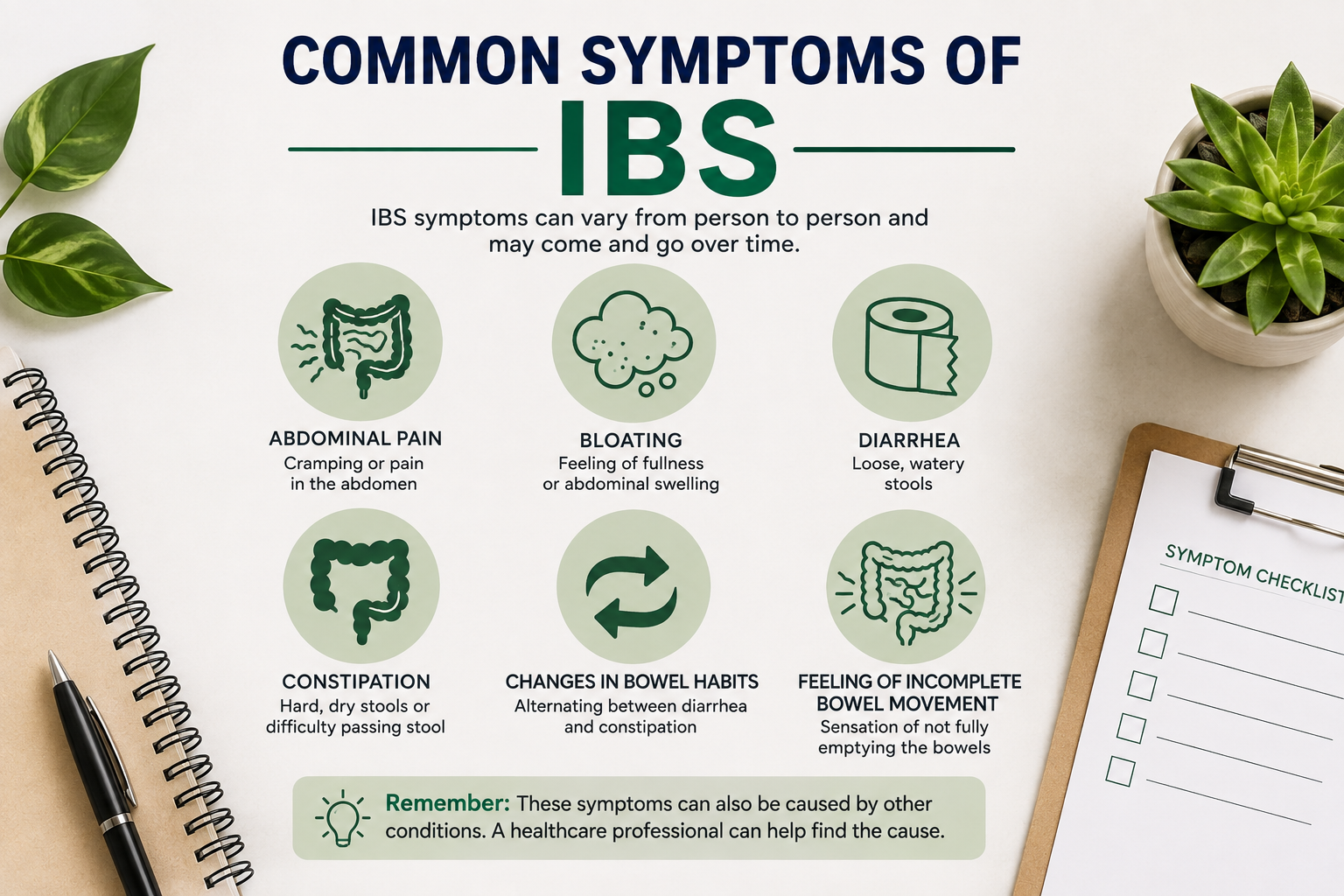
IBS symptoms can vary considerably from one person to another.
Common symptoms include:
1. Abdominal Pain
Recurring abdominal pain or discomfort is one of the most important features of IBS.
The pain may occur in different areas of the abdomen and may change in intensity. It can also be associated with bowel movements.
2. Diarrhea
Some people with IBS frequently have loose or watery stools.
This pattern is commonly referred to as IBS-D.
3. Constipation
Other people primarily experience difficult or infrequent bowel movements and hard or lumpy stools.
This is known as IBS-C.
4. Alternating Diarrhea and Constipation
Some people experience both diarrhea and constipation at different times.
This is commonly called IBS-M, or mixed IBS.
5. Bloating
Bloating is another common digestive symptom associated with IBS.
You may notice that your abdomen feels unusually full, swollen, tight, or uncomfortable, particularly after meals.
6. Feeling Like You Have Not Finished a Bowel Movement
Some people with IBS experience the sensation that they still need to use the bathroom even after having a bowel movement.
7. Mucus in the Stool
Whitish mucus can also occur in people with IBS.
However, symptoms can overlap with many other digestive conditions, which is one reason you should not rely on symptoms alone to diagnose yourself.
IBS Symptoms Checklist
If you are wondering whether your symptoms resemble the typical IBS pattern, consider these questions:
Do you regularly experience abdominal pain?
Does your abdominal pain seem connected to bowel movements?
Have your bowel habits changed?
Do you frequently experience constipation?
Do you frequently experience diarrhea?
Do you alternate between constipation and diarrhea?
Do you regularly experience bloating?
Do you sometimes feel that you have not completely emptied your bowels?
Have these symptoms been recurring rather than happening only once?
Having several of these symptoms does not prove that you have IBS.
Instead, the checklist can help you describe your symptoms more clearly when talking with a healthcare professional.
How Do Doctors Diagnose IBS?
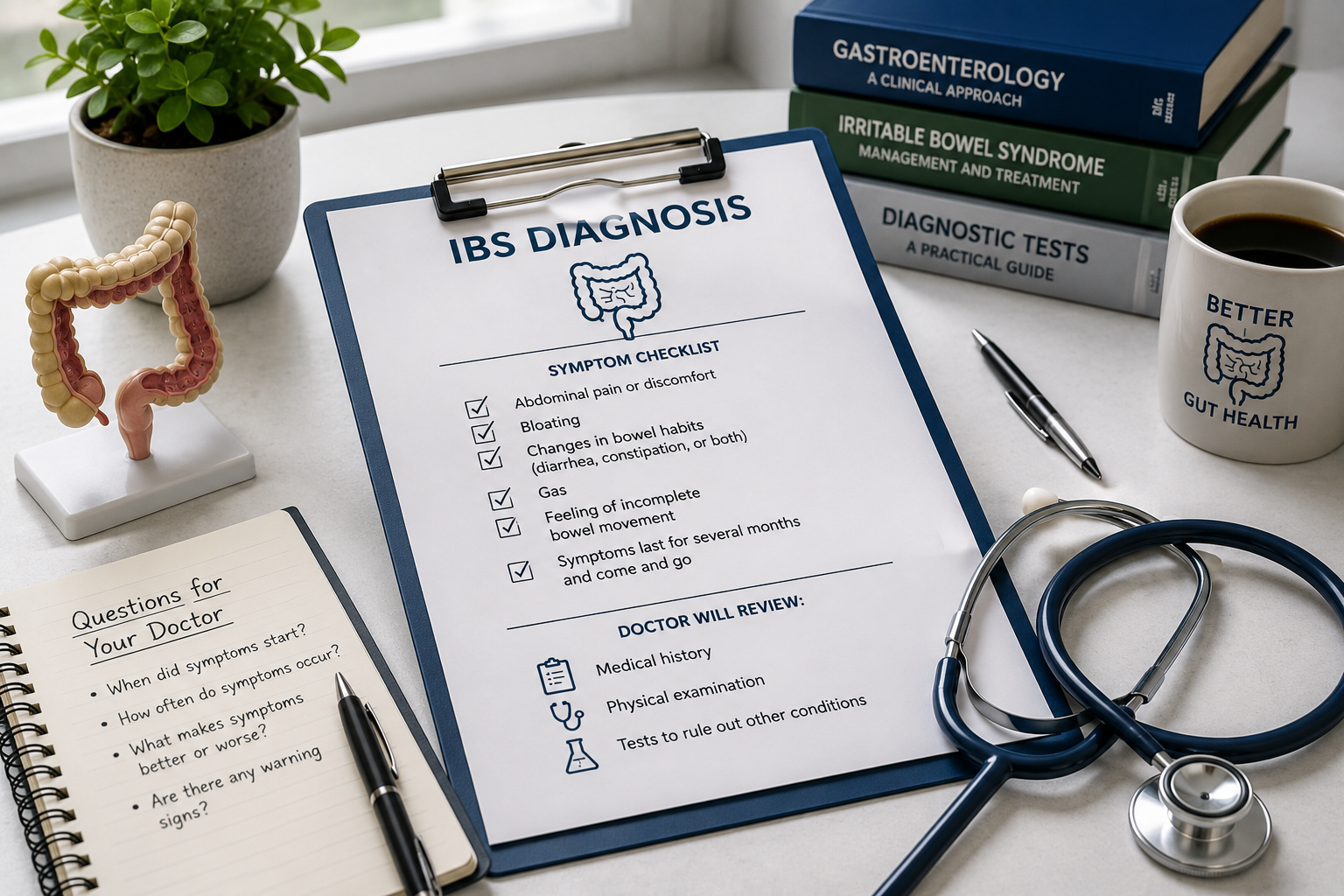
There is not one blood test, scan, or procedure that automatically confirms IBS.
Doctors usually begin by discussing your symptoms and looking for a recognizable pattern. They may also review your medical and family history and perform a physical examination.
Under commonly used diagnostic criteria, doctors look for abdominal pain associated with changes in bowel movements and other features of the symptom pattern.
NIDDK notes that, for adults, doctors may consider IBS when symptoms have occurred at least once a week during the previous three months and began at least six months earlier. A doctor may still evaluate someone with similar symptoms who has had them for a shorter period.
The exact diagnostic process can vary depending on your symptoms, age, medical history, and other risk factors.
What Tests Might Be Needed?
In many cases, doctors do not need extensive testing to identify IBS.
However, tests may be used to look for other conditions that can cause similar symptoms.
Depending on the situation, a doctor may order:
Blood tests
Stool tests
Tests for certain digestive conditions
Testing for celiac disease
Breath testing in selected circumstances
Endoscopy or colonoscopy when medically appropriate
The decision to perform additional tests depends on your symptoms, medical and family history, examination, and whether there are signs suggesting another condition.
The goal is not simply to "test for IBS." The goal is to make sure another condition is not being overlooked.
IBS or Something Else?
Several digestive conditions can cause symptoms that look similar to IBS.
For example, abdominal discomfort, diarrhea, bloating, or changes in bowel movements can occur with food intolerances, celiac disease, inflammatory bowel disease, infections, and other gastrointestinal conditions.
This is why it is risky to assume that persistent digestive symptoms are automatically IBS.
A healthcare professional can help determine whether your symptoms fit an IBS pattern or whether additional evaluation is appropriate.
When Should You See a Doctor?
You should speak with a healthcare professional if you have recurring digestive symptoms that are affecting your daily life, especially if they persist or keep coming back.
You should be particularly careful about symptoms that do not fit the usual IBS pattern.
NIDDK identifies warning signs such as:
Unexplained weight loss
Anemia
Rectal bleeding
Bloody stools
Black, tarry stools
These symptoms should not simply be attributed to IBS without medical evaluation.
NICE also emphasizes that IBS should be diagnosed after considering red-flag indicators and other possible causes of symptoms.
Can You Have IBS Without Diarrhea?
Yes.
IBS does not always mean diarrhea.
Some people primarily experience constipation, while others experience both constipation and diarrhea. IBS-C, IBS-D, and IBS-M describe these different bowel patterns.
Therefore, having constipation rather than diarrhea does not rule out IBS.
Can You Have IBS Without Bloating?
Yes.
Bloating is a common symptom of IBS, but it is not required for someone to have IBS.
The most important pattern involves recurring abdominal pain together with changes in bowel habits.
Is IBS Caused by Certain Foods?
Food can be an important trigger for digestive symptoms in some people with IBS, but there is no single food that causes IBS in everyone.
People can have very different food triggers.
Some people notice symptoms after particular carbohydrates or other foods, while others notice stronger connections with meal size, eating patterns, stress, or other factors.
Because individual responses differ, keeping a food and symptom record can sometimes help you identify patterns to discuss with a healthcare professional.
What Should You Do If You Think You Have IBS?
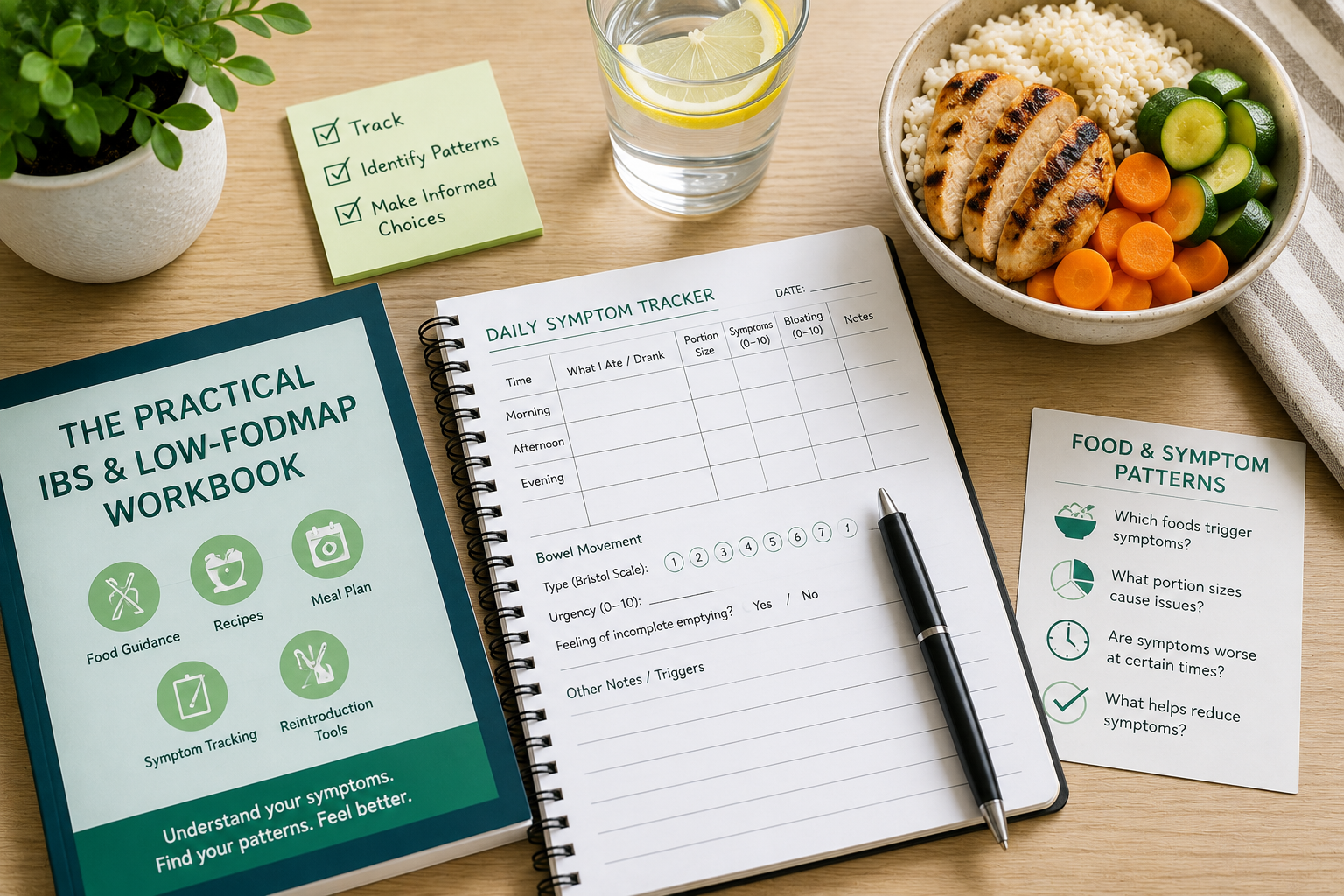
If your symptoms sound similar to IBS, the next step should not necessarily be trying to diagnose yourself.
Instead, start by paying attention to your symptoms.
Record:
When abdominal pain occurs
Where the pain occurs
Your bowel movements
Stool consistency
How often you have bowel movements
Foods and drinks you consume
Bloating and other digestive symptoms
Possible stress or lifestyle triggers
How long symptoms have been occurring
Bringing this information to a healthcare appointment can make it easier to explain what has been happening.
Once other conditions have been considered and IBS is diagnosed, your healthcare professional can help you develop an appropriate management plan.
The Bottom Line
So, how can you tell if you have IBS?
The strongest clue is not one individual symptom. It is a recurring pattern involving abdominal pain together with changes in bowel habits, such as diarrhea, constipation, or changes in stool frequency or appearance.
But symptoms alone cannot reliably confirm IBS.
If your digestive symptoms keep returning, talk with a healthcare professional. They can assess your symptoms, consider your medical history, and determine whether additional testing is needed to rule out other causes.
And if you experience warning signs such as unexplained weight loss, rectal bleeding, bloody or black stools, or anemia, seek medical evaluation rather than assuming the symptoms are IBS.
Frequently Asked Questions
What are the first signs of IBS?
Common signs include recurring abdominal pain along with changes in bowel habits, such as constipation, diarrhea, or changes in stool appearance or frequency. Bloating and the sensation of incomplete bowel movements can also occur.
Can I diagnose IBS myself?
No. You can recognize symptoms that resemble IBS, but a healthcare professional should determine whether the symptoms fit IBS and whether another condition needs to be ruled out.
Is there a test for IBS?
There is no single test that confirms IBS. Doctors primarily evaluate your symptoms and history and may use blood, stool, or other tests when necessary to investigate alternative causes.
Does IBS go away?
IBS is considered a chronic condition, but symptoms can come and go and vary in severity over time. Many people find ways to manage their symptoms effectively.
Should I see a doctor for possible IBS?
If digestive symptoms are persistent, recurrent, or interfering with your daily life, it is a good idea to discuss them with a healthcare professional. Warning signs such as unexplained weight loss, rectal bleeding, bloody or black stools, or anemia require particular attention.
Ready to Take the Next Step With Your IBS?
If you've been trying to figure out which foods, portions, and eating patterns work best for you, having the right tools can make the process much easier.
The Practical IBS and Low-FODMAP Workbook gives you one place to learn, plan, and track — with a 200+ food reference, 30 everyday recipes, a 7-day meal plan, guidance on FODMAP stacking, and printable symptom and reintroduction worksheets.
Instead of guessing what may be triggering your symptoms, use the workbook to track patterns, organize your meals, and personalize your approach over time.
👉 Get the Practical IBS and Low-FODMAP Workbook and start building a more informed, personalized approach to managing your IBS symptoms.
About this article
Written by Digestimove Team. We combine lived experience with recognized digestive-health guidance and avoid presenting education as personalized treatment.
General references: NIDDK overview of IBS and the American College of Gastroenterology guideline.
Free IBS food list
Make your next meal easier to plan
Get the printable 50 low FODMAP foods list, or explore the full The Practical IBS and Low FODMAP Workbook when you want more detail.
Explore the complete The Practical IBS and Low FODMAP Workbook