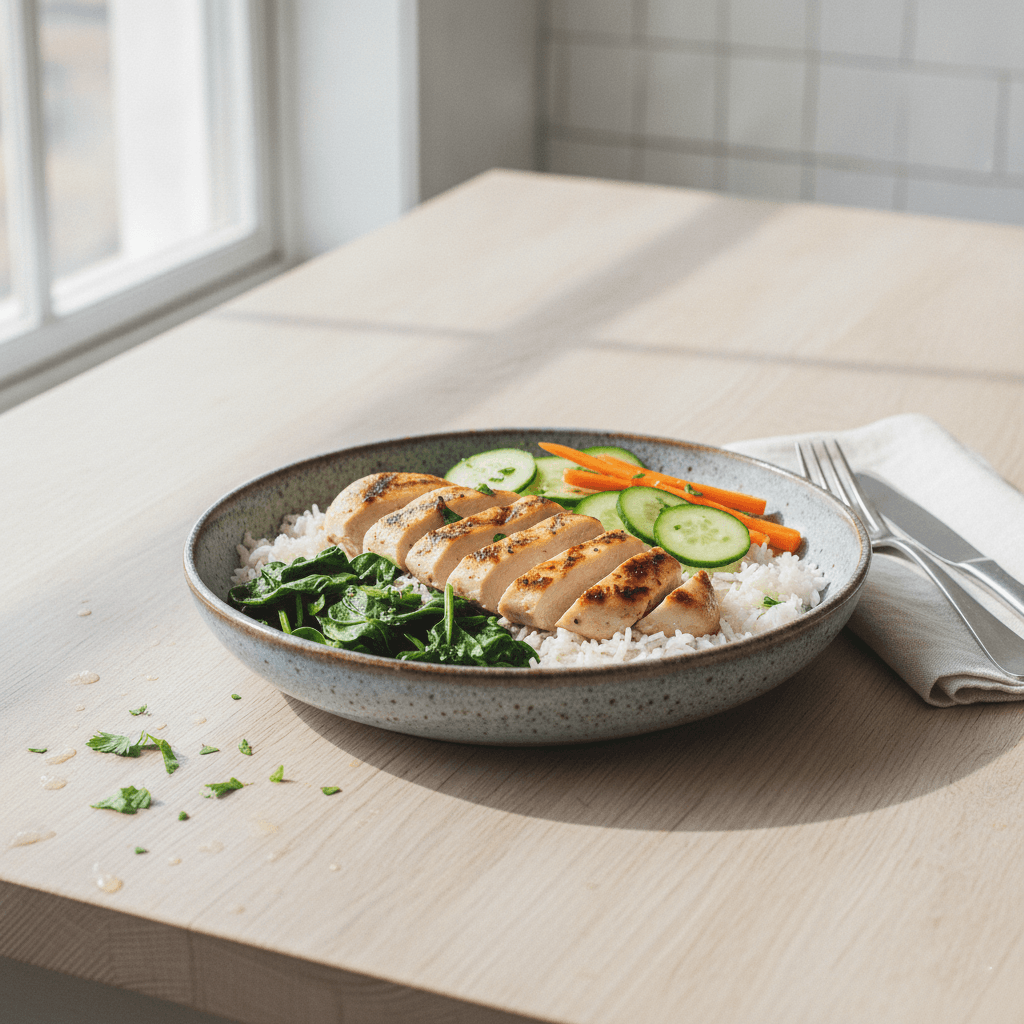
IBS and Travel: How to Prepare for a More Comfortable Trip
A practical IBS travel plan covering familiar foods, hydration, bathroom access, packing essentials, stress, and what to do if symptoms flare.
Written by Digestimove Team4 min read
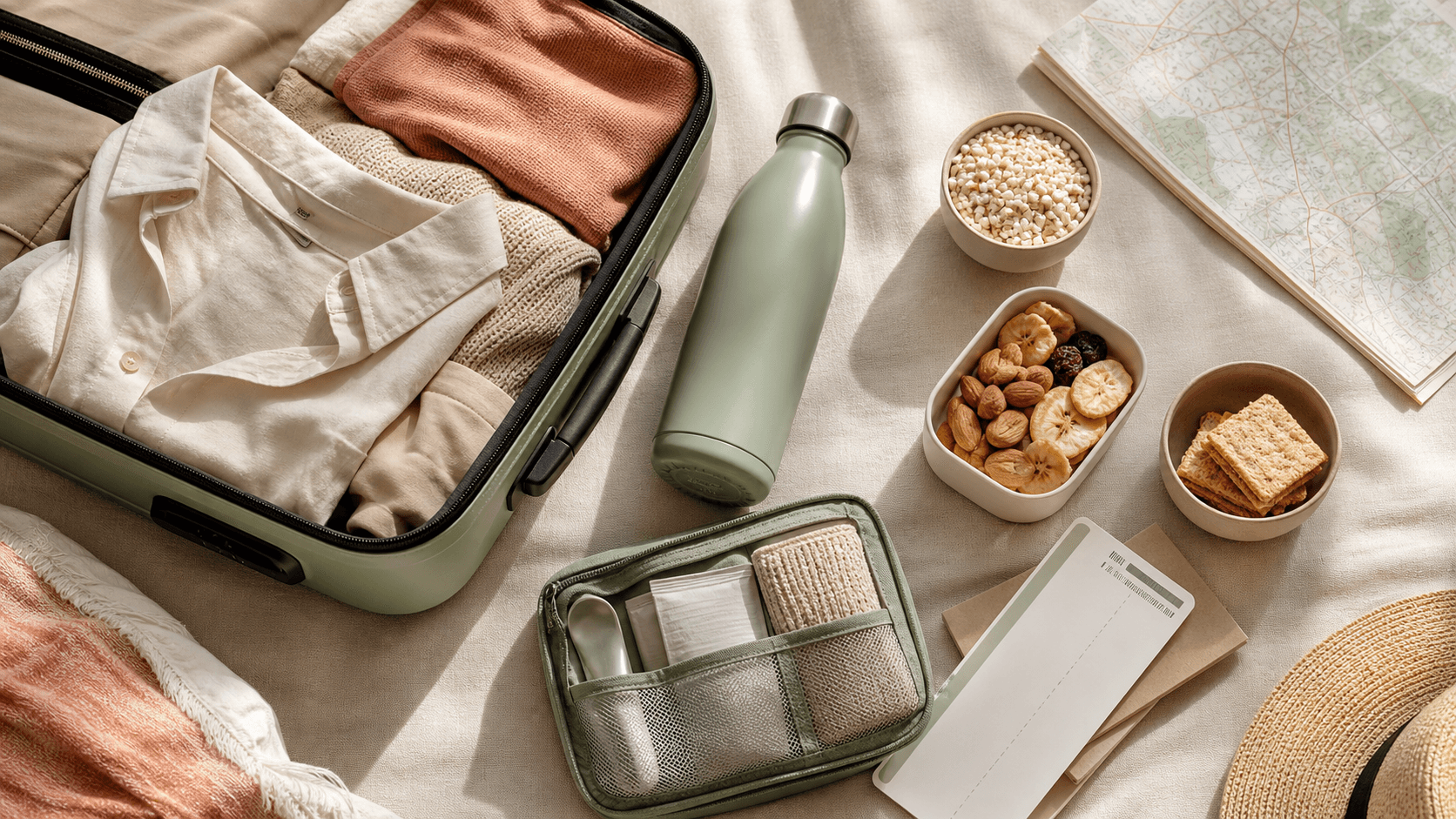
Travel can feel unpredictable when you live with irritable bowel syndrome. Unfamiliar meals, schedule changes, and limited bathroom access may all add to the worry.
The goal is not a perfectly symptom-free trip. It is to reduce avoidable surprises and give yourself useful options if symptoms appear.
Your quick IBS travel plan
Focus on five basics:
Keep meals familiar around the travel day.
Pack food and supplies you already tolerate.
Check bathroom access before long parts of the journey.
Leave extra time for unplanned stops.
Keep your usual treatment plan available.
IBS triggers vary, so use your own symptom history instead of copying another person's safe-food list.
Before your trip
Avoid testing a restrictive diet, new supplement, or major fiber change immediately before traveling. Keep your sleep, meals, hydration, and movement reasonably consistent.
A short food and symptom diary may help you notice recent patterns. If you take medication, keep it in its original packaging and ask a doctor or pharmacist about destination or airline requirements.
Choose familiar food
There is no single IBS diet that works for everyone. Familiar food is often more useful than a supposedly perfect option you have never tried.
Possible travel snacks include:
Rice cakes or crackers you already tolerate
A familiar fruit
A simple sandwich with known ingredients
Nuts or seeds in your usual portion
Plain oats prepared in your normal way
Check packaged-food labels and choose ingredients you already know you tolerate. Alcohol, caffeine, fizzy drinks, and fatty meals may trigger IBS symptom.
For more ideas when planning familiar meals and snacks, explore our
Keep water available and drink regularly according to your needs. Small, regular drinks may feel more comfortable than a large amount at once.
Pack a comfort kit
A small kit can reduce stress even if you never use it:
Your usual approved medication
Tissues, wipes, and hand sanitizer
Spare underwear and a sealable bag
A familiar snack
A refillable water bottle
A copy of prescriptions for longer trips
Do not begin a new laxative, anti-diarrheal, antispasmodic, or supplement solely for travel without checking whether it is appropriate for you.
Plan bathroom access
Save bathroom locations at airports, stations, and rest stops. Choose an aisle seat when helpful, use the bathroom before boarding, and download maps in case your connection is poor.
For a road trip, identify several possible stops. Extra time can make an unexpected bathroom break feel less urgent.
If symptoms flare
If symptoms begin:
Use a bathroom when one is available.
Sip water according to your needs.
Return to foods and routines that normally feel comfortable.
Use only medication already included in your care plan.
Adjust the schedule if possible.
Slow breathing may reduce the feeling of panic, although it does not cure digestive symptoms. Relax your shoulders and make your exhale slightly longer for one or two minutes.
When to seek medical care
Do not assume every new symptom is IBS. Seek urgent medical advice for warning signs such as:
Blood in your stool or bloody diarrhea
Severe or persistent abdominal pain
Repeated vomiting
Significant dehydration
Unexplained weight loss
A hard abdominal lump or swelling
Fainting, breathing difficulty, or feeling seriously unwell
Frequently asked questions
Should I skip food before flying?
Skipping meals does not reliably prevent symptoms and may leave you hungry and stressed. A familiar meal or snack in a portion that normally works for you is usually more practical.
Can flying make bloating feel worse?
Some people notice more discomfort while traveling. Sitting, meal changes, stress, and fizzy drinks may contribute. Gentle movement during safe opportunities may help.
What medicine should I take?
That depends on your IBS subtype, medical history, and existing treatment plan. Ask your doctor or pharmacist before traveling and avoid testing a new medicine during the trip when possible.
A calmer trip starts with options
IBS travel planning is about knowing your familiar foods, keeping essential supplies close, and giving yourself permission to adjust the schedule. Your gut may not follow the itinerary perfectly, but that does not mean the trip is ruined.