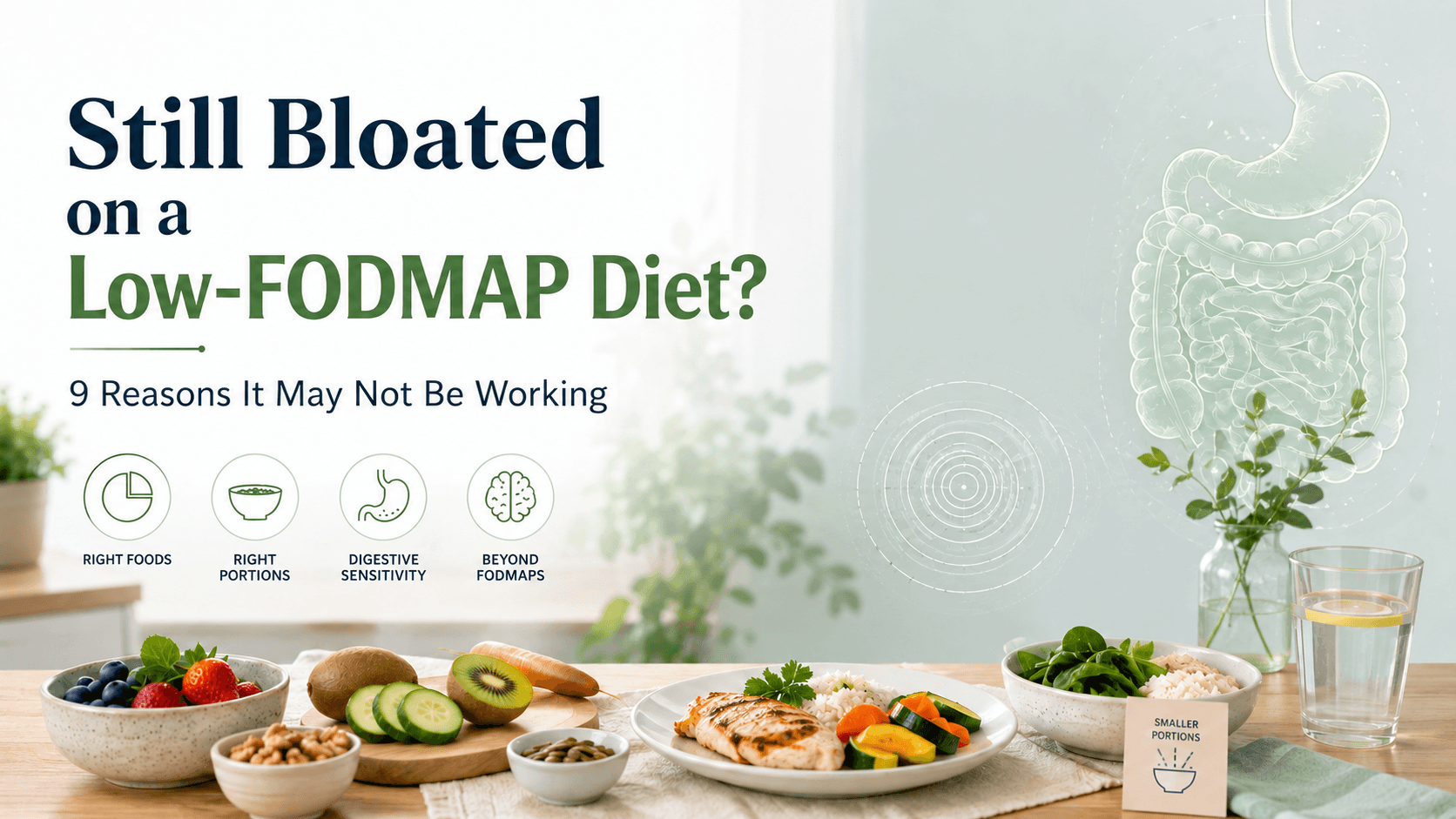
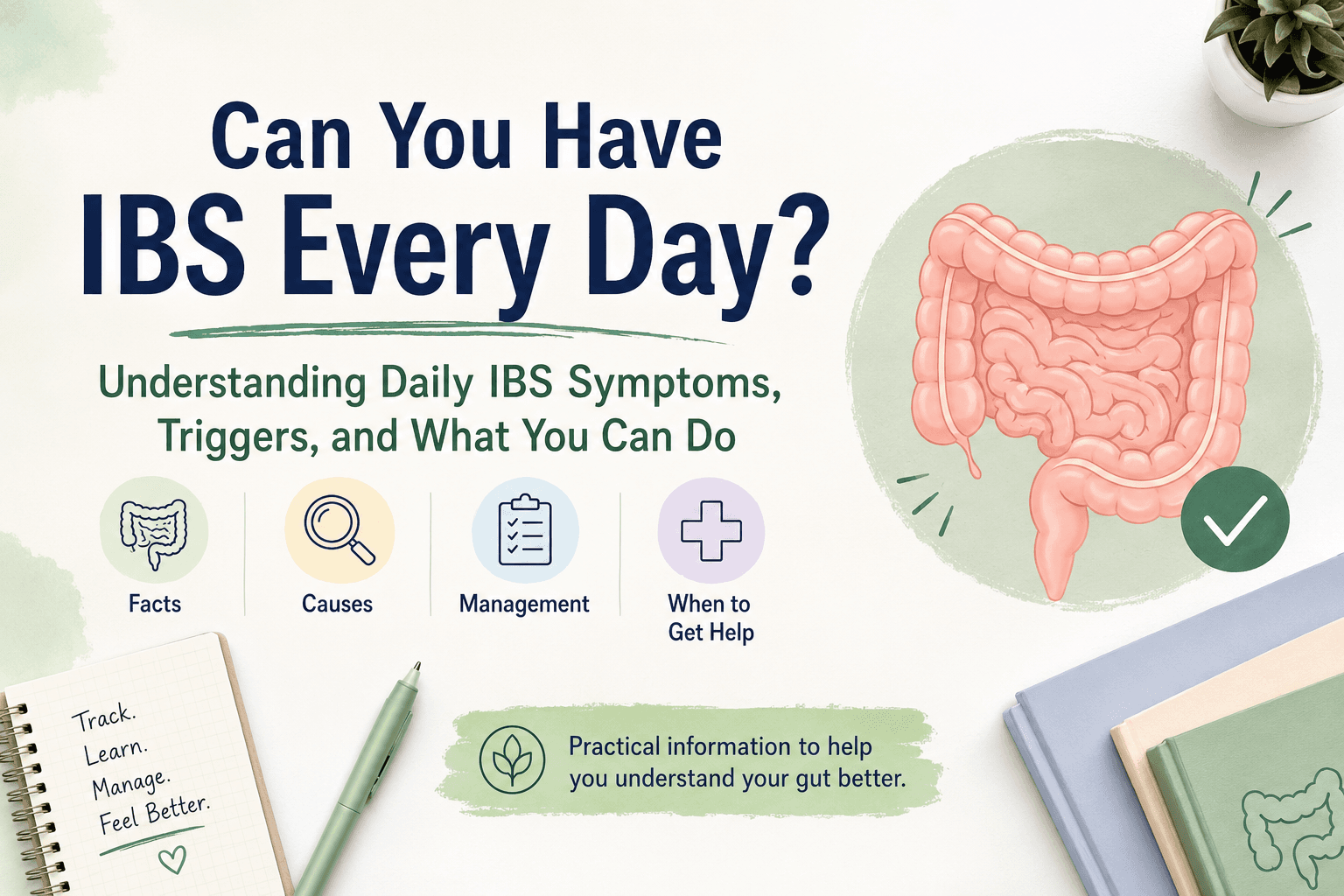
What Does an IBS Flare-Up Feel Like? Symptoms & What to Expect
What does an IBS flare-up feel like? Learn the common symptoms, possible triggers, how long symptoms can last, and when to seek medical help.
Written by Digestimove Team8 min read
What Does an IBS Flare-Up Feel Like? Symptoms & What to Expect
If you have IBS, you may have days when your digestion feels relatively normal and other days when your symptoms suddenly become much more noticeable.
You might experience abdominal pain, cramping, bloating, gas, diarrhea, constipation, or changes in your usual bowel habits.
But what does an IBS flare-up actually feel like?
The experience varies from person to person. IBS is a chronic condition, but its symptoms can come and go and change in intensity over time.
In this article, we'll explain what an IBS flare-up may feel like, common symptoms, possible triggers, how long symptoms can last, what you can do when symptoms increase, and when you should speak with a healthcare professional.
Important: A sudden increase in digestive symptoms isn't automatically an IBS flare-up. Other conditions can cause similar symptoms.
What Is an IBS Flare-Up?
“IBS flare-up” is a common term people use to describe a period when their usual IBS symptoms become more noticeable, frequent, or uncomfortable.
IBS itself involves recurring abdominal pain together with changes in bowel movements. These changes can include diarrhea, constipation, or both. Symptoms can come and go rather than remaining at the same intensity every day.
For example, someone who normally experiences mild bloating might suddenly have several days of more noticeable bloating, abdominal discomfort, and changes in bowel movements.
Another person might mainly notice worsening constipation or diarrhea.
There isn't one universal IBS flare-up experience.
What Does an IBS Flare-Up Feel Like?
An IBS flare-up may feel like your normal digestive symptoms have suddenly become harder to ignore.
Common symptoms include:
Abdominal pain or cramping
Bloating
Gas
Diarrhea
Constipation
Changes in stool consistency
Changes in how often you have bowel movements
Urgency to use the bathroom
Feeling that you haven't completely emptied your bowels
Abdominal pain combined with changes in bowel habits is particularly characteristic of IBS. The pain may also be related to bowel movements.
Abdominal pain and cramping
Abdominal pain is one of the most important symptoms of IBS.
It can feel like cramping, aching, pressure, or general discomfort. Some people notice that their pain changes before, during, or after a bowel movement.
Bloating and gas
You may also feel unusually full, swollen, tight, or uncomfortable around your abdomen.
Gas can contribute to pressure and discomfort, and people with IBS may be particularly sensitive to sensations occurring in the digestive tract.
Diarrhea
For people with IBS-D, a flare-up may involve looser or more frequent bowel movements, urgency, cramping, or a noticeable change from their usual bowel pattern.
Constipation
For IBS-C, symptoms may instead involve hard or lumpy stools, difficulty passing stool, bloating, and abdominal discomfort.
Both diarrhea and constipation
Some people experience both patterns at different times. This is commonly called IBS-M, or mixed IBS.
What Does IBS Stomach Pain Feel Like?
IBS-related abdominal pain can vary considerably.
You might experience:
Cramping
Aching
Pressure
General abdominal discomfort
Pain associated with bowel movements
One important feature doctors consider is whether abdominal pain is connected to changes in bowel movements for example, whether the pain improves or worsens after using the bathroom.
However, severe or unusual abdominal pain should not automatically be blamed on IBS. If your pain is new, severe, persistent, or significantly different from what you normally experience, it's important to seek medical advice.
How Long Does an IBS Flare-Up Last?
There isn't one specific number of days that every IBS flare-up lasts.
IBS symptoms can come and go and vary in severity over time.
Instead of focusing only on how long a flare lasts, it can be more useful to pay attention to the pattern:
What symptoms appeared? What did you eat beforehand? How were your bowel movements? Did your routine change? How was your sleep? Were you experiencing unusual stress? Have you experienced the same pattern before?
Keeping track of these details can help you identify patterns to discuss with your healthcare professional.
What Can Trigger an IBS Flare-Up?
There isn't one universal IBS trigger.
Different people can respond differently to foods, eating patterns, stress, and other factors.
Certain foods
Some people notice that particular foods worsen their symptoms.
FODMAPs are a group of carbohydrates that can cause digestive symptoms such as bloating, abdominal pain, diarrhea, or constipation in some people with IBS.
But this doesn't mean that every person with IBS reacts to the same foods.
Large or irregular meals
The size and timing of meals may also matter for some people.
Stress
IBS involves interactions between the brain and digestive system, and stress can worsen symptoms for some people.
Changes in routine
Travel, changes in eating schedules, poor sleep, or other changes to your normal routine may coincide with worsening symptoms.
The important point is that your triggers may not be the same as someone else's.
What Can You Do During an IBS Flare-Up?
If you've already been diagnosed with IBS and your symptoms are following your usual pattern, focus on the strategies that have previously worked for you.
Depending on your individual situation, this may include:
Staying hydrated
Eating regular meals
Paying attention to portion sizes
Avoiding foods you know consistently cause symptoms
Getting adequate sleep
Staying physically active
Managing stress
Tracking your symptoms
The American College of Gastroenterology includes dietary changes, soluble fiber, exercise, stress management, sleep, and hydration among approaches that may help with IBS management.
If you're considering a low-FODMAP diet, remember that it is not intended to mean permanently avoiding every high-FODMAP food. The approach involves restriction followed by reintroduction and personalization.
Track Your IBS Flare-Ups Instead of Guessing
One of the most useful habits can be keeping a food and symptom diary.
Instead of simply writing:
“My stomach hurt today.”
Try recording:
What you ate
Approximate portion
Time of the meal
Abdominal pain
Bloating
Gas
Bowel movement
Stool consistency
Stress level
Sleep quality
After several weeks, you may begin to see patterns.
You might discover that symptoms aren't connected to one specific food but instead appear when several factors occur together. That information can be much more useful than simply labeling foods as “good” or “bad.”
A Practical Way to Track Your Patterns
The Practical IBS and Low-FODMAP Workbook gives you practical tools to help organize this process, including:
200+ everyday foods
IBS and low-FODMAP food guidance
FODMAP and serving information
30 everyday recipes
A 7-day meal plan
FODMAP stacking guidance
Daily food and symptom trackers
Weekly review pages
Structured reintroduction worksheets
Instead of relying on memory or guessing, use the workbook to track patterns, organize your meals, and build a more personalized approach to managing your IBS symptoms.
👉 Explore the Practical IBS and Low-FODMAP Workbook and start tracking your patterns today.
When Is It NOT Just an IBS Flare-Up?
This is one of the most important things to understand.
If you have IBS, it can be tempting to assume that every digestive symptom is simply another flare-up.
But new or unusual symptoms shouldn't automatically be attributed to IBS.
NIDDK lists several symptoms that may suggest another condition, including:
Rectal bleeding Bloody stools Black or tarry stools Unexplained weight loss Anemia
If you experience these symptoms, or if your symptoms are severe, persistent, or significantly different from your normal IBS pattern, contact a healthcare professional.
And if you haven't been diagnosed with IBS, don't assume that recurring abdominal pain, diarrhea, constipation, or bloating automatically means you have IBS. Other conditions can cause similar symptoms.
How to Reduce the Chance of Future IBS Flare-Ups
You can't always prevent every increase in IBS symptoms.
However, learning your personal patterns can make your symptoms easier to understand and manage.
Try tracking:
Food → Portion → Symptoms → Bowel movements → Stress → Sleep
Over time, this can give you a clearer picture of what happens before your symptoms become worse.
And remember: a food that bothers one person with IBS may be completely comfortable for someone else.
The goal isn't necessarily to eliminate as many foods as possible. With approaches such as low-FODMAP, the longer-term goal is to identify individual triggers and personalize the diet rather than maintain unnecessary restriction.
The Bottom Line
So, what does an IBS flare-up feel like?
It can feel like an increase in your usual digestive symptoms, including:
Abdominal pain or cramping
Bloating
Gas
Diarrhea
Constipation
Changes in bowel movements
Urgency
A feeling of incomplete bowel movements
Everyone's experience is different, and IBS symptoms can come and go over time.
The most useful approach is to learn your own symptom patterns rather than assuming that every digestive problem has the same cause.
And if you experience bleeding, black stools, unexplained weight loss, anemia, or other unusual or severe symptoms, don't simply assume it's an IBS flare-up. Speak with a healthcare professional.
Frequently Asked Questions
What does an IBS flare-up feel like?
An IBS flare-up may feel like an increase in your usual symptoms, such as abdominal pain, cramping, bloating, gas, diarrhea, constipation, or changes in bowel habits.
How long does an IBS flare-up last?
There is no universal duration. IBS symptoms can come and go and vary in intensity over time. What triggers an IBS flare-up?
Triggers vary from person to person. Certain foods, eating patterns, stress, and changes in routine may contribute to symptoms for some people.
Can IBS cause both diarrhea and constipation?
Yes. People with IBS-M can experience both diarrhea and constipation at different times. Can stress make IBS symptoms worse?
Stress can affect the gut-brain interaction and may worsen abdominal symptoms in some people with IBS.
When should I see a doctor?
Speak with a healthcare professional if your symptoms are new, severe, persistent, or different from your usual pattern. Rectal bleeding, bloody or black stools, unexplained weight loss, and anemia should not simply be attributed to IBS.
About this article
Written by Digestimove Team. We combine lived experience with recognized digestive-health guidance and avoid presenting education as personalized treatment.
General references: NIDDK overview of IBS and the American College of Gastroenterology guideline.
Free IBS food list
Make your next meal easier to plan
Get the printable 50 low FODMAP foods list, or explore the full The Practical IBS and Low FODMAP Workbook when you want more detail.
Explore the complete The Practical IBS and Low FODMAP Workbook