Can You Have IBS Every Day?
Learn whether IBS symptoms can occur every day, what daily IBS feels like, common triggers, and when to see a doctor for persistent digestive issues.
Written by Digestimove Team4 min read
Can You Have IBS Every Day?
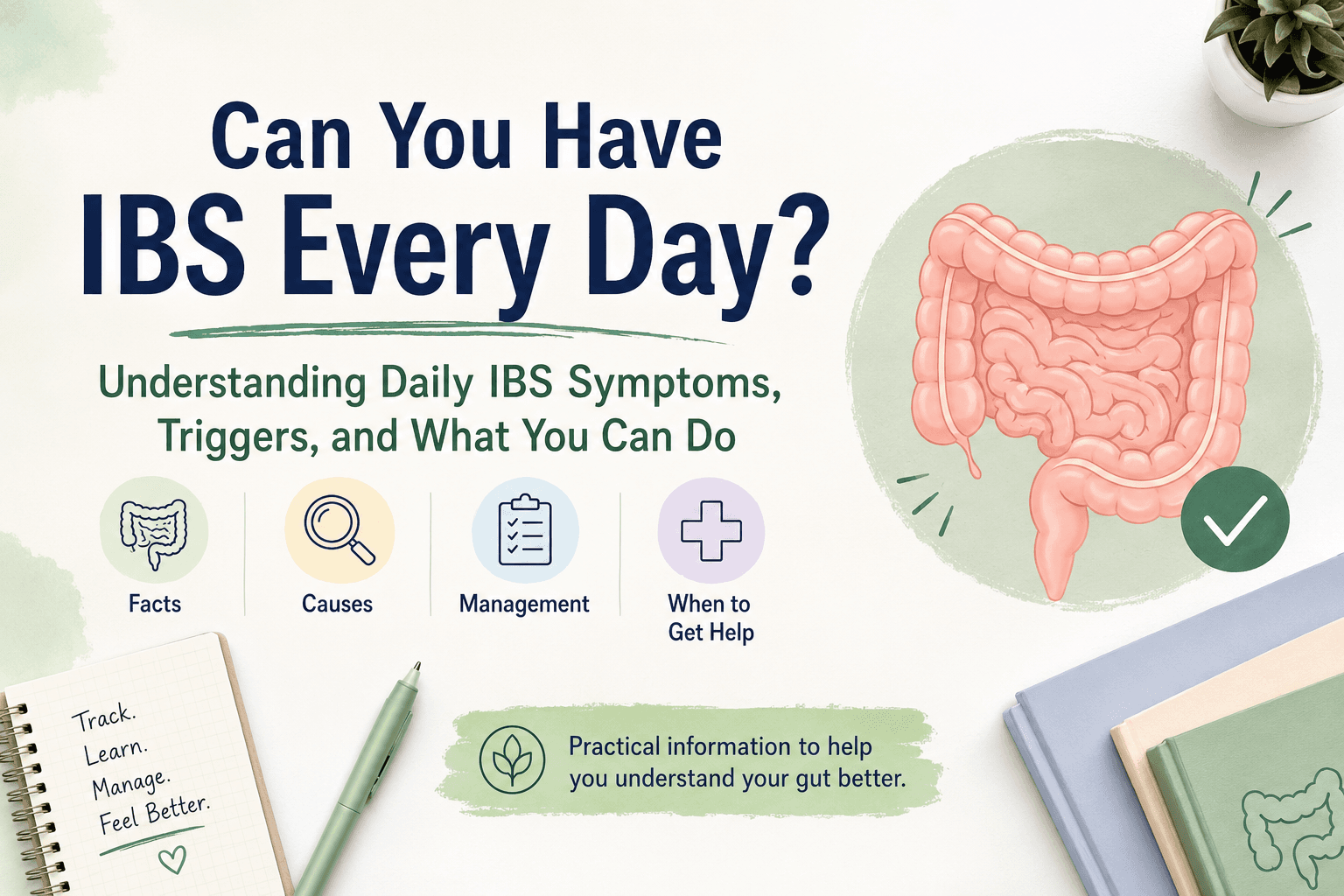
If you have abdominal pain, bloating, diarrhea, constipation, or changes in your bowel movements almost every day, you may wonder: Can you have IBS every day?
Yes. Some people with irritable bowel syndrome (IBS) experience symptoms very frequently, including on most or even every day. However, IBS symptoms can also fluctuate. You may have periods when symptoms are mild or absent followed by days or weeks when they become more noticeable.
What Does IBS Feel Like on a Daily Basis?
IBS can affect people differently. Common symptoms include:
- Abdominal pain or cramping
- Bloating
- Gas
- Diarrhea
- Constipation
- Changes in stool frequency or appearance
- A feeling that you have not completely emptied your bowel
- Symptoms that may improve or worsen after having a bowel movement
Some people primarily experience constipation (IBS-C), while others mainly experience diarrhea (IBS-D). Some experience both (IBS-M, or mixed IBS).
Having one or more of these symptoms every day does not necessarily mean you have IBS. Other digestive conditions can cause similar symptoms.
Why Can IBS Symptoms Happen So Often?
IBS is considered a disorder of gut-brain interaction. Several factors can influence symptoms, and different people may have different triggers.
Potential factors include:
Certain foods: Some people notice that particular foods or large meals make their symptoms worse.
Stress and emotions: Stress does not mean that IBS symptoms are “just in your head.” The brain and digestive system communicate closely, and stress can affect how the gut functions.
Changes in bowel movements: Diarrhea, constipation, or changes between the two can contribute to discomfort and bloating.
Hormonal changes: Some people notice changes in their digestive symptoms around hormonal fluctuations.
Poor sleep and daily routines: Changes in sleep, activity, and eating patterns may also coincide with worsening symptoms.
Importantly, a food that triggers symptoms for one person may not affect another person in the same way.
Is It Normal to Have IBS Symptoms Every Day?
Frequent symptoms can occur with IBS, but daily symptoms should not automatically be assumed to be IBS.
IBS is diagnosed based on a pattern of symptoms and by considering other possible explanations. If you have never been evaluated and you're experiencing persistent digestive symptoms, speaking with a healthcare professional is important.
A doctor may ask about:
- How long your symptoms have been occurring
- Where you feel abdominal pain
- How often you have bowel movements
- Whether you experience diarrhea, constipation, or both
- Whether symptoms change after bowel movements
- Your diet and medications
- Your family and medical history
Depending on your symptoms and history, your healthcare professional may recommend additional testing to rule out other conditions.
Can IBS Symptoms Come and Go?
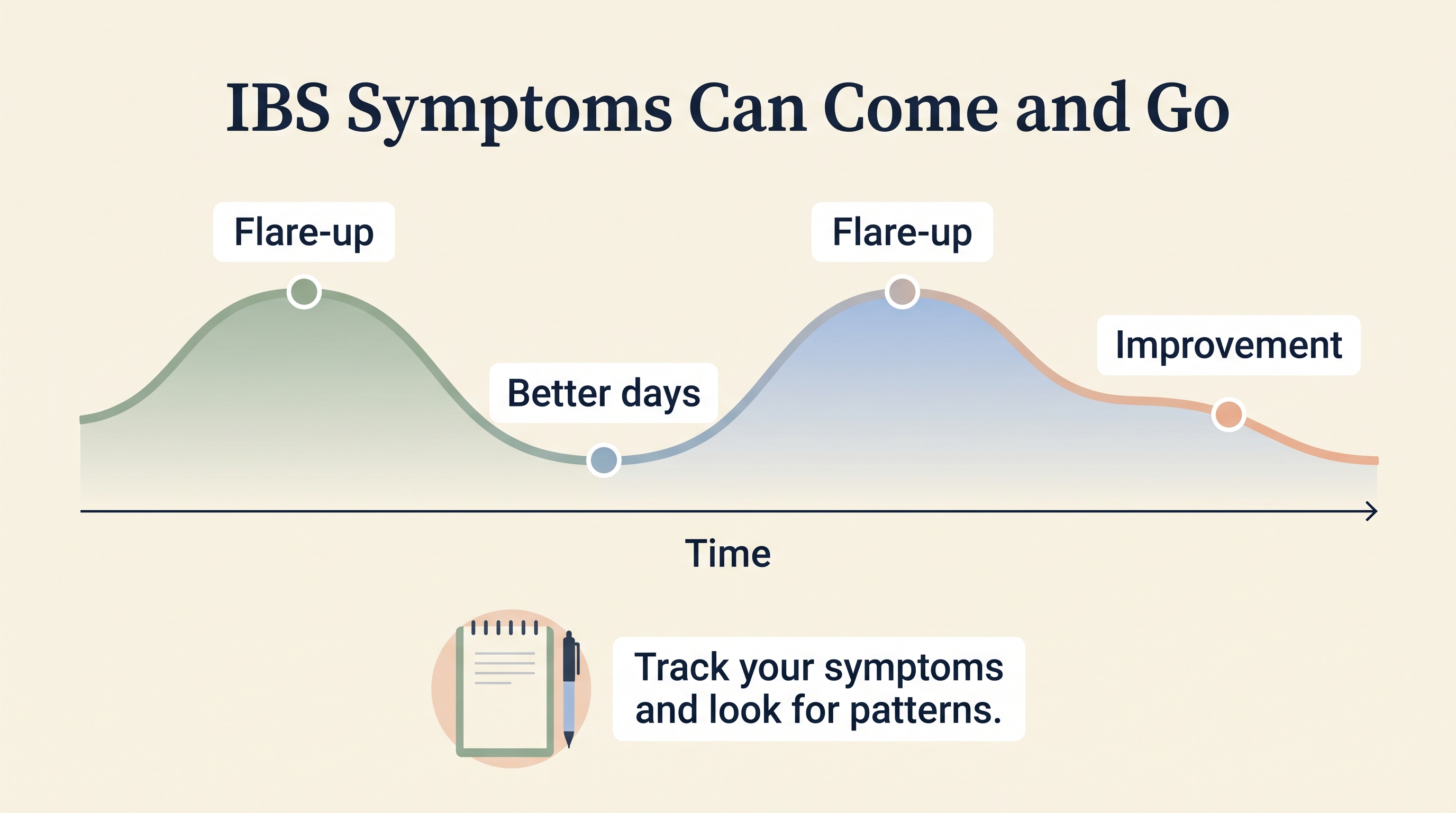
Yes. IBS symptoms often change over time.
You might have several days when your digestion feels relatively normal and then experience a period of increased bloating, abdominal pain, constipation, or diarrhea.
This variation is one reason it can be helpful to keep a food and symptom diary. Recording what you eat, your bowel movements, symptoms, sleep, stress, and other relevant factors can help you and your healthcare professional identify patterns.
When Should You See a Doctor?
If digestive symptoms are persistent, severe, worsening, or interfering with your daily life, talk with a healthcare professional.
You should seek medical evaluation particularly if you have symptoms such as:
- Blood in your stool
- Unexplained weight loss
- Fever
- Persistent vomiting
- Significant or worsening abdominal pain
- Symptoms that wake you repeatedly from sleep
- Signs of anemia
- A new and persistent change in bowel habits
These symptoms can have many possible causes and should not simply be attributed to IBS.
###The Bottom Line
Can you have IBS every day? Yes, some people experience IBS symptoms very frequently or daily. However, IBS symptoms commonly fluctuate, and persistent digestive symptoms should not automatically be assumed to be IBS.
If you regularly experience abdominal pain, bloating, diarrhea, constipation, or changes in bowel habits, consider discussing your symptoms with a healthcare professional. Keeping track of your symptoms and potential triggers can also make that conversation more useful.
Want to Understand Your IBS Patterns Better?
Knowing that you're having an IBS flare-up is one thing.
Understanding what may be contributing to your symptoms is another.
Keeping track of foods, portions, symptoms, bowel habits, and patterns can give you a much clearer picture of how your digestive system responds over time.
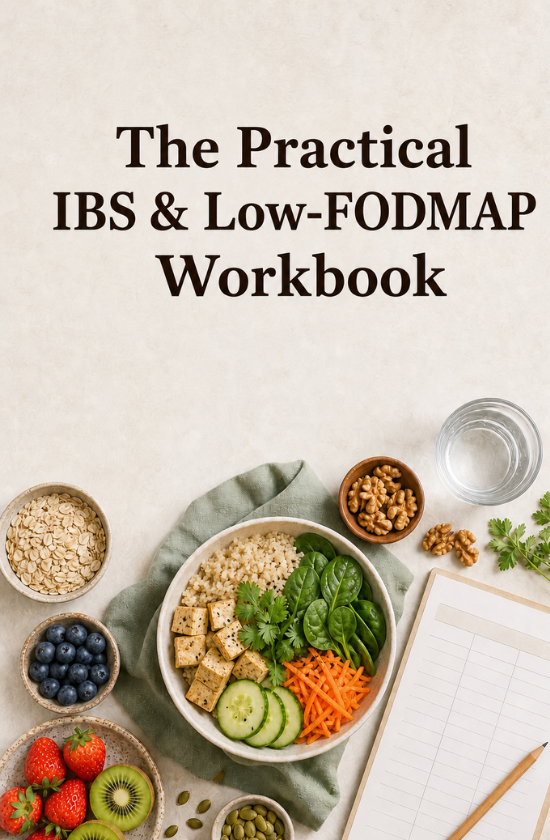
The Practical IBS & Low-FODMAP Workbook
The workbook gives you practical tools to help organize that process, including:
- A quick-reference guide covering 225 foods with serving cues and clear FODMAP status labels
- A practical explanation of FODMAP stacking and how meal combinations may affect tolerance
- 30 approachable recipes with measured ingredients and preparation steps
- A seven-day meal plan with portions, preparation guidance, and daily stacking checks
- Vegetarian and vegan guidance covering protein, iron, calcium, vitamin B12, and other important nutrients
- 28 daily food and symptom logs
- Four weekly pattern reviews and six structured reintroduction worksheets
- Instead of guessing, start tracking your patterns and building a more personalized approach to managing your IBS symptoms.
👉 Explore The Practical IBS & Low-FODMAP Workbook
About this article
Written by Digestimove Team. We combine lived experience with recognized digestive-health guidance and avoid presenting education as personalized treatment.
General references: NIDDK overview of IBS and the American College of Gastroenterology guideline.
Free IBS food list
Make your next meal easier to plan
Get the printable 50 low FODMAP foods list, or explore the full The Practical IBS and Low FODMAP Workbook when you want more detail.
Explore the complete The Practical IBS and Low FODMAP Workbook