Can IBS Be Cured Permanently? The Honest Truth
Can IBS be cured permanently? Learn the honest truth about IBS, what actually helps manage symptoms, and how food choices may support better digestion.
Written by Digestimove Team9 min read

How to Cure IBS Permanently: The Honest Truth
If you searched for “how to cure IBS permanently,” you are probably tired of bloating, stomach pain, diarrhea, constipation, gas, and wondering what food will trigger your symptoms next.
You are not alone.
Many people with IBS want one clear answer, one treatment, or one diet that can make it disappear forever. But the honest truth is this:
There is currently no proven permanent cure for IBS.
That may sound disappointing, but it does not mean you are stuck feeling this way forever. IBS symptoms can often be managed very well with the right diet changes, lifestyle habits, stress control, and by learning your personal triggers.
IBS treatment usually focuses on reducing symptoms and helping you live as symptom-free as possible, rather than “curing” the condition completely.
Can IBS Be Cured Permanently?
At this time, IBS cannot be guaranteed to be cured permanently.
IBS, or irritable bowel syndrome, is a digestive disorder that commonly causes abdominal pain, bloating, diarrhea, constipation, or a mix of both. The pain is often connected to bowel movements, and symptoms may come and go over time.
Some people have mild symptoms. Others deal with painful flare-ups that affect their daily life. Some people may feel better for months or even years, then symptoms return after stress, illness, certain foods, poor sleep, or lifestyle changes.
So instead of asking only, “How do I cure IBS forever?” a better question is:
“How can I reduce IBS symptoms, find my triggers, and control flare-ups long term?”
That is where real progress happens.
Why IBS Does Not Have One Simple Cure
IBS is complicated because it is not caused by one single thing.
For one person, symptoms may be mostly triggered by food. For another, stress may be the biggest trigger. Someone else may have symptoms after antibiotics, infection, poor sleep, hormonal changes, or certain eating habits.
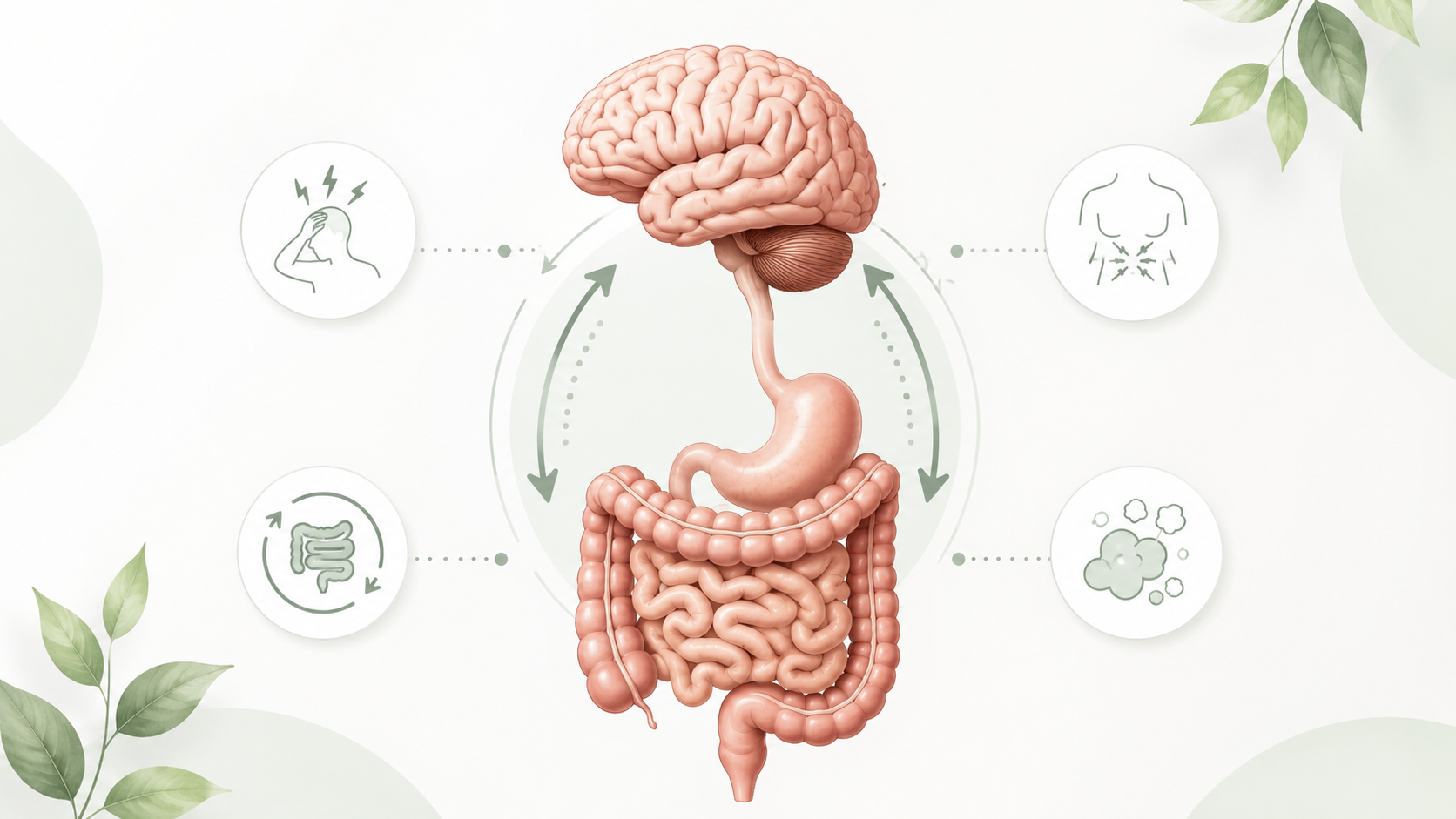
IBS is often described as a disorder of gut-brain interaction, meaning the gut and brain may communicate in a more sensitive or reactive way. Stress, anxiety, food, and digestion can all affect symptoms.
 )
)
This is why one “IBS cure” does not work for everyone.
Common IBS triggers may include:
- Certain high-FODMAP foods
- Large meals
- Fatty foods
- Spicy foods
- Caffeine
- Alcohol
- Stress
- Poor sleep
- Eating too fast
- Skipping meals
- Hormonal changes
- Gut infections
- Food intolerances
The key is not to copy someone else’s perfect diet. The key is to discover what your body reacts to.
What Actually Helps IBS Symptoms?
Even though IBS may not have a permanent cure, many people improve their symptoms with the right plan.
Here are the main things that may help.
1. Find Your Personal IBS Trigger Foods
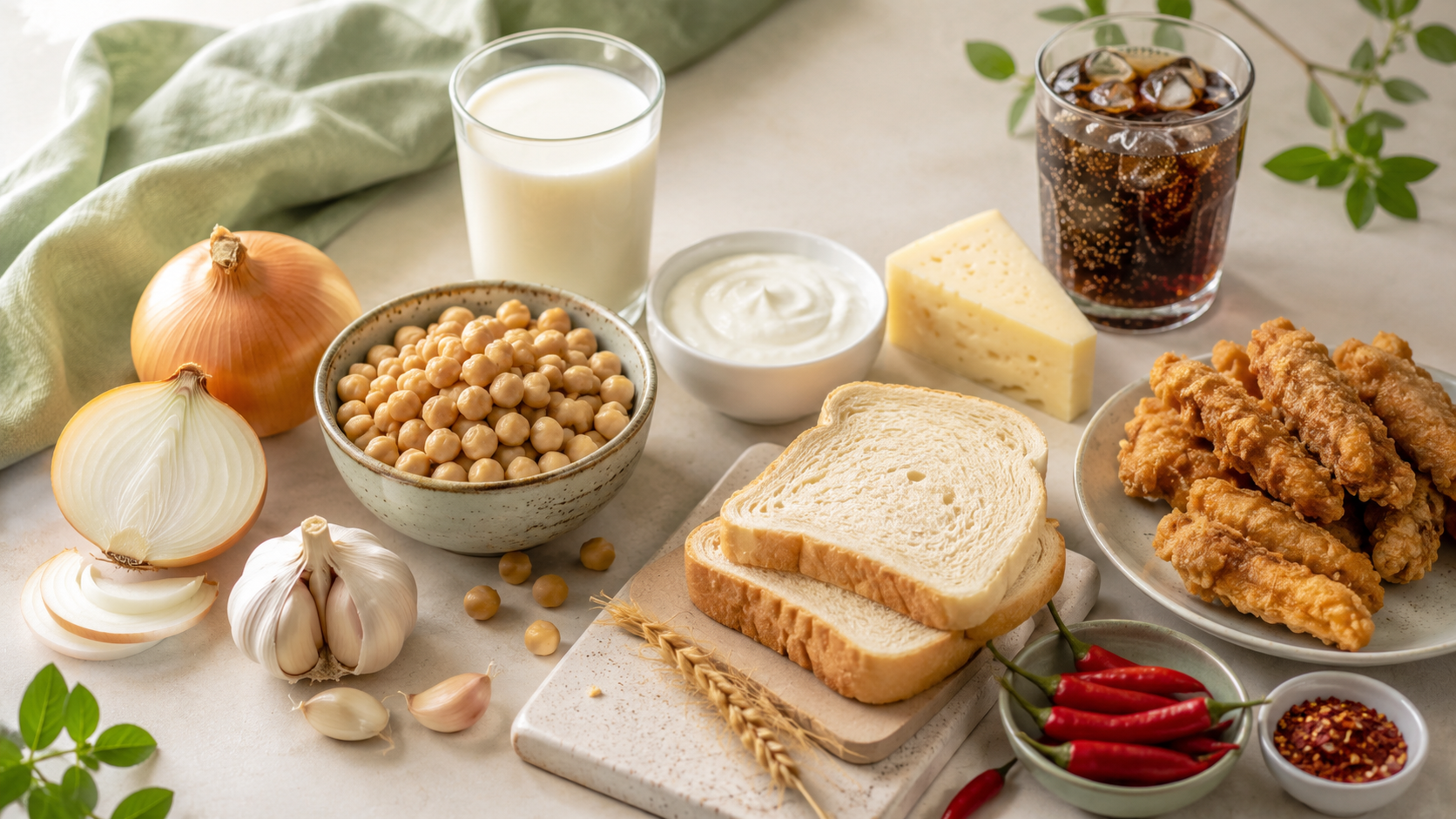
Food is one of the biggest areas to look at when managing IBS.
But here is the important part:
There is no single “bad food list” that applies to everyone with IBS.
For example, one person may tolerate bananas and rice very well, while another person may feel bloated after eating them. One person may react badly to garlic, onions, milk, beans, or wheat, while someone else may tolerate small amounts.
Common trigger foods for IBS may include:
- Onion
- Garlic
- Beans
- Lentils
- Milk
- Ice cream
- Wheat-based foods
- Fried foods
- Spicy meals
- Carbonated drinks
- Artificial sweeteners
- Large amounts of caffeine
This does not mean you must remove all of these forever. It means you should pay attention to patterns.
A simple food and symptom diary can help. Write down what you eat, when symptoms happen, and how strong they are. After a few weeks, you may start seeing clear patterns.
2. Try a Low FODMAP Approach Carefully
The low FODMAP diet is one of the most well-known diet approaches for IBS.
FODMAPs are certain carbohydrates that can ferment in the gut and may trigger gas, bloating, pain, diarrhea, or constipation in sensitive people.
But the low FODMAP diet is not meant to be a random lifetime restriction diet. It is usually done in phases: restriction, reintroduction, and personalization. Monash University describes it as a 3-step diet used to help manage symptoms in people with medically diagnosed IBS.
The goal is not to fear food forever.
The goal is to find out which foods you personally tolerate and which ones trigger symptoms.
Important: if possible, do this with a doctor or registered dietitian, especially if you are already underweight, have other medical conditions, or feel confused about what to eat.
3. Eat Smaller, More Regular Meals
Large meals can be hard on digestion, especially during an IBS flare-up.
Instead of eating one or two very large meals, some people feel better with smaller, balanced meals during the day.
Helpful habits may include:
- Eat slowly
- Avoid rushing meals
- Avoid skipping meals
- Do not leave very long gaps between meals
- Drink enough water
- Limit too much caffeine
- Notice whether very fatty meals trigger you
NICE guidance for IBS recommends regular meals, taking time to eat, avoiding missed meals, and drinking enough fluids, especially water or non-caffeinated drinks.
4. Manage Stress Because the Gut and Brain Are Connected
Stress does not mean IBS is “all in your head.”
IBS symptoms are real. But stress can affect digestion, gut movement, pain sensitivity, and flare-ups.
This is why stress management can be a serious part of IBS care.
Things that may help include:
- Walking
- Deep breathing
- Gentle yoga
- Stretching
- Meditation
- Journaling
- Better sleep routine
- Therapy or counseling
- Taking breaks during stressful days
Even 10 minutes a day of calming your nervous system may help some people reduce flare-ups over time.
5. Improve Sleep
Poor sleep can make the body more sensitive, including the digestive system.
Try to keep your sleep schedule consistent. Avoid eating huge meals right before bed. Reduce late caffeine. Make your room darker and cooler if possible.
Sleep will not “cure” IBS permanently, but it can support better symptom control.
6. Move Your Body Regularly
Exercise can help digestion, stress, mood, and bowel habits.
You do not need intense workouts. Start simple.
Good options include:
- Walking
- Light jogging
- Cycling
- Swimming
- Yoga
- Home workouts
Mayo Clinic lists regular exercise, fluids, sleep, diet changes, and stress management among lifestyle steps that can help control mild IBS symptoms.
Can IBS Go Away on Its Own?
IBS symptoms can improve for some people.
Some people have long periods where symptoms are mild or almost gone. Others have symptoms that come and go for years.
So yes, IBS can sometimes feel like it “went away,” but that does not always mean it is permanently cured. Symptoms may return during stressful periods, after certain foods, after illness, or when your routine changes.
The best long-term strategy is to understand your body, reduce triggers, and create habits that support your digestion.
Foods That May Be Easier for Some People With IBS
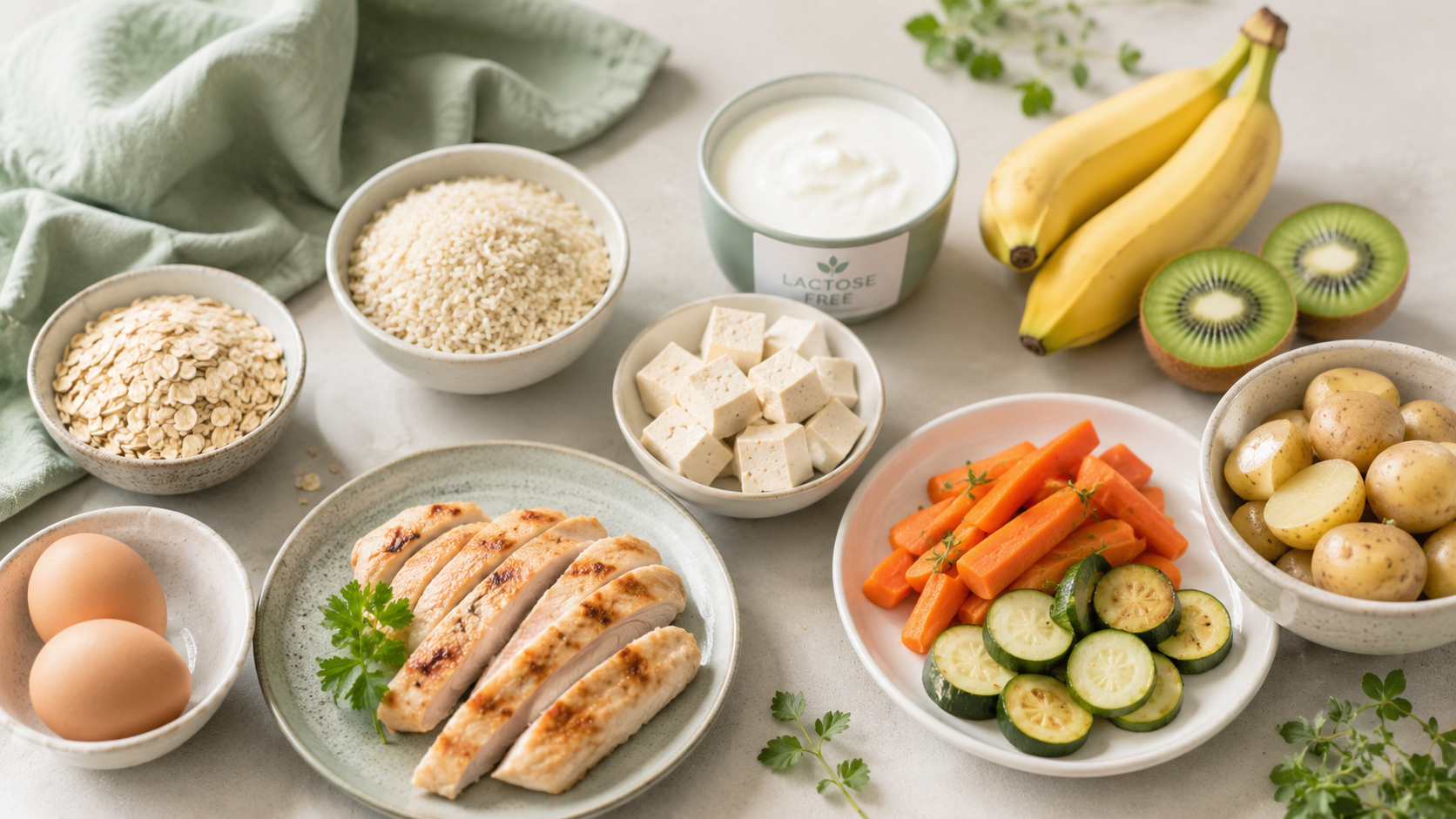
IBS food tolerance is personal, but some people find simple, lower-trigger meals easier during sensitive periods.
Possible gentle foods may include:
- Rice
- Potatoes
- Oats
- Eggs
- Chicken
- Fish
- Firm tofu
- Bananas, if tolerated
- Carrots
- Zucchini
- Lactose-free yogurt, if tolerated
- Kiwi, for some people
- Plain soups
- Small portions of low FODMAP vegetables
Remember: “IBS-friendly” does not mean the same thing for every person. Portion size matters too.
A food that feels fine in a small amount may trigger symptoms in a large amount.
Tired of Guessing What to Eat With IBS?
Choosing food with IBS can feel stressful.
One day a food feels safe. Another day it causes bloating, gas, cramps, diarrhea, or constipation. That is why having a clear food reference can make meal planning easier.
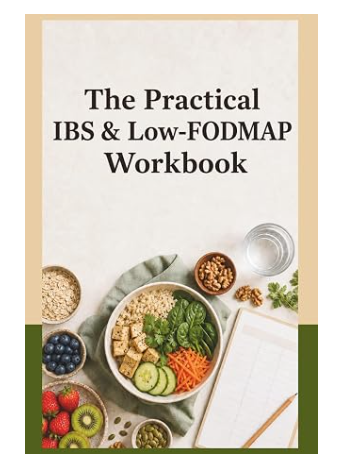
Our The Practical IBS and Low FODMAP Workbook was made to help you stop guessing and start making more informed food choices.
Inside, you get:
200+ everyday foods with practical IBS and low-FODMAP guidance FODMAP information and serving guidance to help you understand portions 30 simple, everyday recipes designed for practical meal planning A 7-day meal plan with balanced meal ideas FODMAP stacking guidance to help you understand how foods can add up Daily food and symptom trackers to help you spot patterns Weekly review pages to reflect on your progress Structured reintroduction worksheets to help you personalize your diet over time
If you are trying to understand which foods may be better or worse for your IBS, the The Practical IBS and Low FODMAP Workbook can help you build meals with more confidence.
Get The Practical IBS and Low FODMAP Workbook and make food choices easier.
Common Mistakes That Can Make IBS Worse
If you want long-term IBS relief, try to avoid these common mistakes:
Mistake 1: Looking for a Miracle Cure
Many products online promise to cure IBS forever.
Be careful.
IBS is complex, and no supplement, detox, tea, or single diet can honestly guarantee a permanent cure for everyone.
Mistake 2: Cutting Too Many Foods Forever
Restricting too many foods can make your diet stressful and unbalanced.
The goal is not to eat the smallest diet possible. The goal is to find the widest diet you can tolerate.
Mistake 3: Ignoring Stress
Food matters, but stress matters too.
If you only focus on food and ignore sleep, stress, and lifestyle, you may miss a major part of your IBS pattern.
Mistake 4: Eating Huge Meals
Large meals can trigger bloating and urgency for some people.
Smaller meals may be easier to digest.
Mistake 5: Not Seeing a Doctor
IBS symptoms can overlap with other conditions, such as inflammatory bowel disease, celiac disease, infections, or other digestive problems.
If your symptoms are new, severe, worsening, or unusual, get medical advice.
When Should You See a Doctor?
You should speak with a healthcare professional if you have IBS-like symptoms, especially if you have warning signs.
See a doctor urgently if you notice:
- Blood in your stool
- Unexplained weight loss
- Persistent fever
- Ongoing vomiting
- Severe or worsening abdominal pain
- Anemia
- Symptoms that wake you up at night
- A major change in bowel habits
- Symptoms starting later in life
- Family history of colon cancer, celiac disease, or inflammatory bowel disease
IBS itself does not damage bowel tissue or increase the risk of colorectal cancer, but symptoms should still be checked properly when warning signs are present.
So, How Do You “Cure” IBS Permanently?
The honest answer is:
You may not be able to cure IBS permanently, but you may be able to control it much better.
For many people, IBS improvement comes from combining several strategies:
- Finding personal food triggers
- Trying a structured low FODMAP approach if appropriate
- Eating smaller, regular meals
- Managing stress
- Sleeping better
- Moving regularly
- Drinking enough water
- Avoiding unnecessary food restriction
- Getting medical guidance when needed
IBS is not always simple, but it is manageable.
You do not need to believe fake cure promises. You need a realistic plan, patience, and better information about your body.
Start with your food patterns, your daily habits, and your biggest triggers. Over time, small changes can make a big difference.
And if food is the part that confuses you most, our The Practical IBS and Low FODMAP Workbook can help you make easier choices and feel more confident when planning meals.
Final Thoughts
Searching for “how to cure IBS permanently” is completely understandable. Living with IBS can be frustrating, uncomfortable, and confusing.
But the truth is better than a fake promise.
There is no guaranteed permanent cure for IBS right now. However, many people can reduce symptoms, prevent flare-ups, and improve their quality of life by understanding their triggers and building habits that support digestion.
IBS management is not about perfection.
It is about learning your body, making smarter choices, and finding what helps you feel better long term.
About this article
Written by Digestimove Team. We combine lived experience with recognized digestive-health guidance and avoid presenting education as personalized treatment.
General references: NIDDK overview of IBS and the American College of Gastroenterology guideline.
Free IBS food list
Make your next meal easier to plan
Get the printable 50 low FODMAP foods list, or explore the full The Practical IBS and Low FODMAP Workbook when you want more detail.
Explore the complete The Practical IBS and Low FODMAP Workbook