IBS Symptoms After Eating: Causes, Triggers & Relief
Wondering why your IBS gets worse after eating? Learn the common causes, food triggers, and practical tips to reduce bloating, gas, diarrhea, and stomach pain.
Written by Digestimove Team4 min read
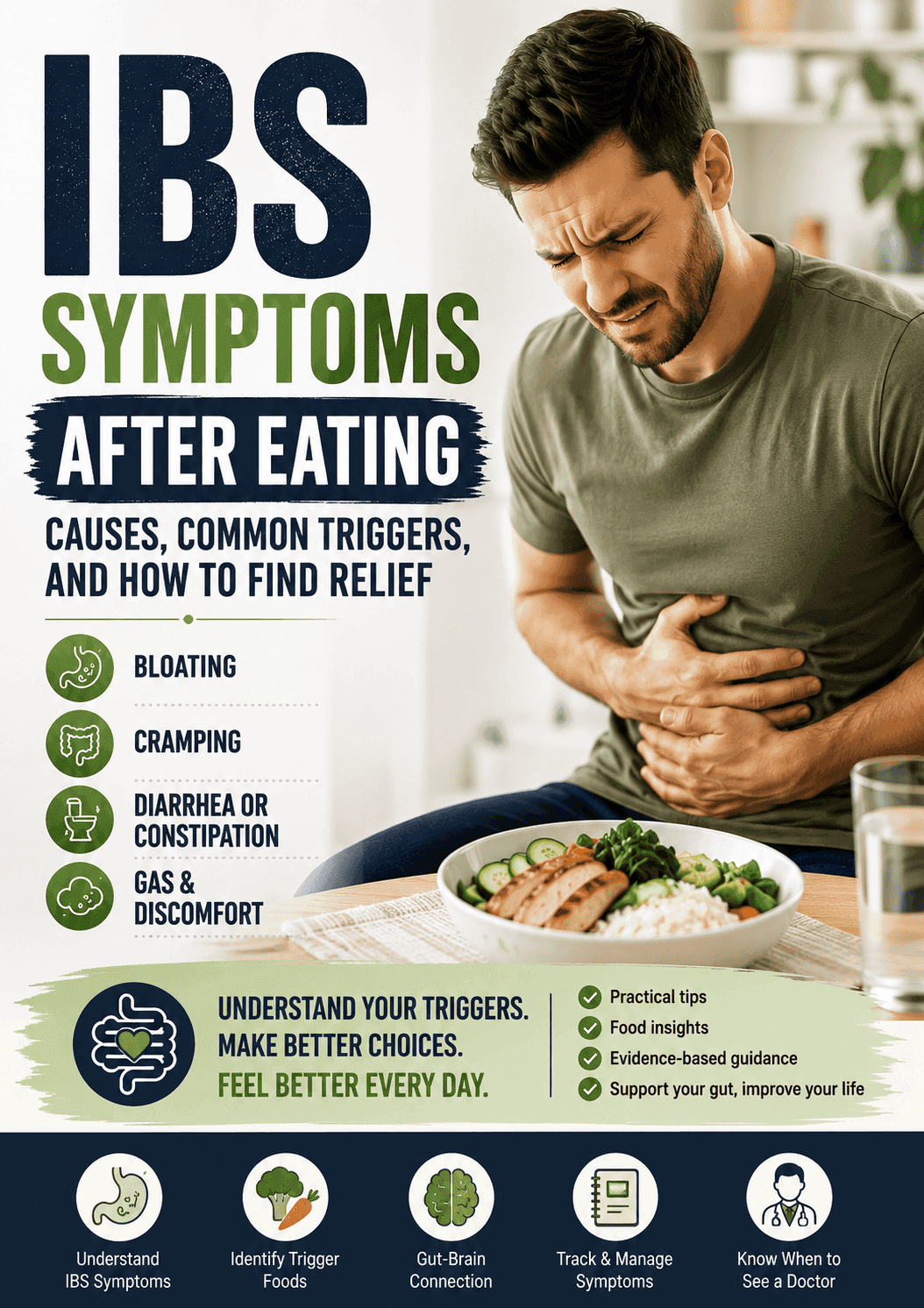
IBS Symptoms After Eating: Causes, Common Triggers, and How to Find Relief
Do you often experience bloating, stomach pain, diarrhea, or constipation shortly after eating?
If so, you're not alone.
Many people living with Irritable Bowel Syndrome (IBS) notice that their symptoms become worse after meals. While eating itself isn't the cause of IBS, it often activates the digestive system in ways that can trigger symptoms in people with sensitive intestines.
The good news is that understanding why this happens can help you make informed choices and reduce the frequency of flare-ups.
Why Does IBS Get Worse After Eating?
Every time you eat, your digestive system starts working to move food through your stomach and intestines.
This natural response is known as the gastrocolic reflex. In healthy digestion, it's barely noticeable. However, people with IBS often have a more sensitive digestive tract, meaning normal digestive activity can trigger uncomfortable symptoms.
Common symptoms after eating include:
Abdominal pain Cramping Bloating Gas Diarrhea Constipation An urgent need to use the bathroom
This doesn't necessarily mean the meal itself was "bad." Sometimes, the digestive process alone is enough to trigger symptoms.
Common Foods That May Trigger IBS Symptoms
IBS triggers are different for everyone, but certain foods are more likely to cause digestive discomfort.
Some of the most common triggers include:
Onions Garlic Beans and lentils Wheat-based products Milk and soft cheeses (for some people) Fried or greasy foods Very spicy meals Carbonated drinks Alcohol Artificial sweeteners such as sorbitol and mannitol
Keeping track of your own reactions is more useful than avoiding every possible trigger.
What Are FODMAPs?
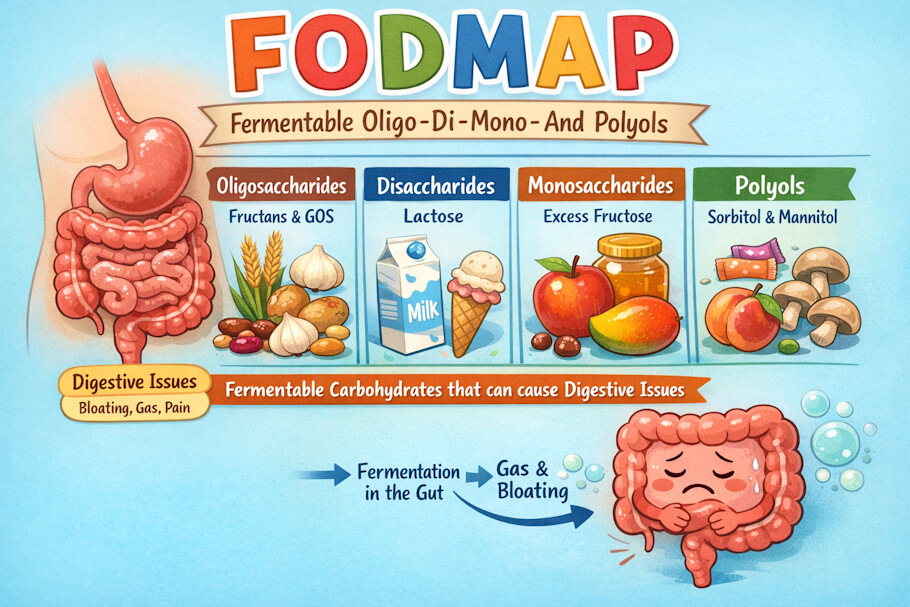
You may have heard the term FODMAP while researching IBS.
FODMAP stands for Fermentable Oligosaccharides, Disaccharides, Monosaccharides, and Polyols. These are short-chain carbohydrates that can be difficult for some people to digest.
When these carbohydrates reach the large intestine, they may draw in water and ferment rapidly, producing gas. For some people with IBS, this process contributes to symptoms like bloating, abdominal pain, and changes in bowel habits.
The Low FODMAP diet was originally developed by researchers at Monash University in Australia and has become one of the most extensively researched dietary approaches for managing IBS symptoms.
However, it's intended as a temporary elimination diet followed by a gradual reintroduction phase to identify individual trigger foods. It is not designed to be a permanent restrictive diet.
Does Portion Size Matter?
Absolutely.
Even foods that are generally well tolerated can trigger symptoms if eaten in very large portions.
Many people with IBS feel better by:
Eating smaller meals more frequently Chewing food slowly Avoiding overeating Waiting at least two to three hours before lying down after eating
These simple habits may reduce pressure on the digestive system.
The Gut-Brain Connection
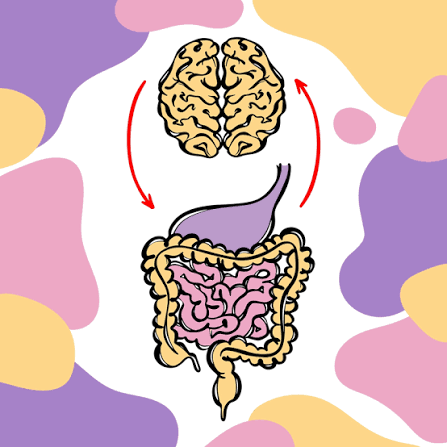
IBS is influenced by more than just food.
Your brain and digestive system constantly communicate through what's known as the gut-brain axis.
Stress, anxiety, poor sleep, and emotional tension can make the intestines more sensitive and increase the likelihood of flare-ups.
Helpful stress-management strategies include:
Daily walking Regular exercise Deep breathing exercises Sport Maintaining consistent sleep habits
Reducing stress won't cure IBS, but it may help reduce symptom severity for many people.
Keep a Food and Symptom Diary
One of the best ways to understand your IBS is by tracking your daily habits.
Record:
Foods you eat Portion sizes Meal times Symptoms Stress levels Sleep quality
After several weeks, patterns often begin to appear, helping you identify your own personal triggers.
When Should You See a Healthcare Professional?
Although IBS is common, some symptoms should always be evaluated by a healthcare professional.
Seek medical advice if you experience:
Blood in your stool Unexplained weight loss Persistent fever Severe abdominal pain Ongoing vomiting Symptoms that suddenly become much worse Symptoms that regularly wake you during the night
These symptoms may indicate a condition other than IBS.
Final Thoughts
Living with IBS can feel unpredictable, especially when symptoms appear after eating.
Fortunately, many people find significant improvement by learning their personal food triggers, eating balanced portions, managing stress, and understanding how their digestive system responds.
IBS management isn't about finding one perfect diet—it's about discovering what works best for your own body.
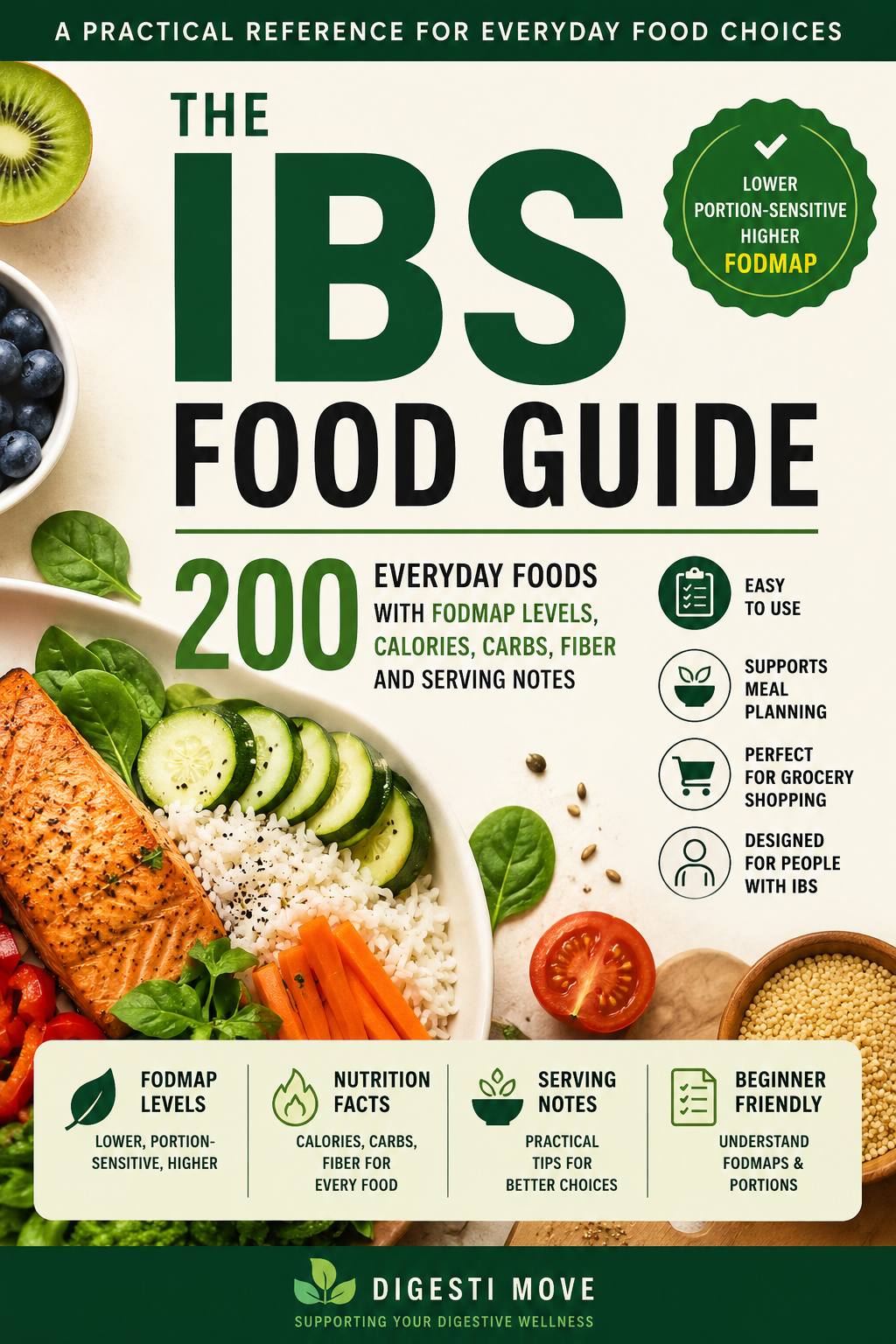
Take the Guesswork Out of IBS Eating
Stop wondering whether a food might trigger your symptoms.
Our +200 Foods List for IBS helps you quickly check common foods and make more informed choices.
Get it now :
About this article
Written by Digestimove Team. We combine lived experience with recognized digestive-health guidance and avoid presenting education as personalized treatment.
General references: NIDDK overview of IBS and the American College of Gastroenterology guideline.
Free IBS food list
Make your next meal easier to plan
Get the printable 50 low FODMAP foods list, or explore the full The Practical IBS and Low FODMAP Workbook when you want more detail.
Explore the complete The Practical IBS and Low FODMAP Workbook